
For contractors and DIY installers alike. The numbers, specs, and step-by-step below apply equally on a one-bay residential garage and on a multi-bay commercial shop floor.
An epoxy flake garage floor is worth the money long term for almost any homeowner who plans to stay in the house 5 plus years, uses the garage daily, and does the install themselves. A DIY install runs $400 to $700 in materials for a 400 sq ft two car garage, lasts 15 to 20 years with normal use, and costs about $30 to $45 per year amortized. That is cheaper than the alternatives once you account for the cleaning time, dust, and resale value bump that bare concrete or paint cannot deliver. Professional installs at $5 to $9 per sq ft are a different math problem, covered below.
The 15 Year Cost Math
Here is what each floor option actually costs over 15 years for a typical 400 sq ft two car garage.
- Bare concrete with sealer: $80 in sealer up front, reseal every 3 years at $80 a pop. 15 year total: $480. No decorative value, dusty, stains permanently.
- Garage floor paint (DIY): $120 per coat. Lifespan 2 to 4 years before hot tire pickup and chipping. 15 year total: 4 to 5 redo cycles, $480 to $600, plus the work each time.
- Epoxy flake (DIY): $400 to $700 in materials. 15 to 20 year lifespan with one optional clear topcoat refresh at year 10 ($120). 15 year total: $520 to $820.
- Epoxy flake (professional install): $2000 to $3600 for the same garage. Same 15 to 20 year lifespan. 15 year total: $2000 to $3600.
- Polished concrete: $1200 to $2400 professionally polished. 20 plus year lifespan. Repolish at year 10 to 15 for $400. 15 year total: $1600 to $2800.
Raw cost wise, DIY epoxy flake is in the same range as keeping bare concrete sealed, but the floor looks dramatically better, cleans easier, and adds value when you sell.
Where the Real Value Shows Up
The line item cost is only part of the story. The hidden value is in the things you stop doing.
- No more concrete dust. Sealed flake floors stop generating dust. That alone removes 30 to 60 minutes of cleaning per month from your life.
- Oil and chemical resistance. Drop a quart of motor oil on bare concrete, it stains forever. Drop it on flake epoxy, wipe it up with a paper towel.
- Salt and ice melt resistance. Winter ice melt destroys bare concrete by year 5 to 7. Flake epoxy shrugs it off.
- Slip resistance. Flake floors have a natural texture that is better than polished or sealed concrete when wet. Less slip risk in winter.
- Light reflection. A flake floor with a clear topcoat reflects 30 to 50% more light than bare concrete. Garage feels bigger and brighter, less artificial lighting needed.
Add those up and the floor pays back beyond the material cost.
What Actually Wears Out
An epoxy flake floor does not die all at once. It wears in three predictable places.
- Garage door threshold. The 18 inch strip near the door takes the worst weather and freeze thaw. Expect noticeable wear by year 8 to 12.
- Hot tire zones. Where tires sit when hot, the topcoat can soften and pick up. Quality polyaspartic topcoats over flake basecoat eliminate this. Cheap single coat epoxy products show it within 2 to 3 years.
- Drag zones. Where you slide tool boxes, jacks, or floor jacks across the floor. Scratches in the clear coat, not in the flake.
All three are repairable. Scuff the worn area with 80 grit, vacuum, recoat with clear topcoat. Cost: $40 in materials and 2 hours. That extends the floor another 8 to 10 years. Most homeowners never recoat. The original floor lasts long enough that by the time it shows real wear, the home has sold or other priorities have taken over.
DIY vs Professional: When Each Makes Sense
DIY makes sense when you have a weekend, basic tools, and want to save 70% of the cost. The work is real but not specialized. The result, with good prep, matches what a pro delivers.
Professional installation makes sense in three cases.
- You cannot get the slab prepped (no time, no grinder access, physical limitation).
- The garage has a complicated layout, drains, or pitched floors that require pro tools.
- You want a polyaspartic system installed in one day instead of a 3 day epoxy build out.
If none of those apply, DIY is the right call. The 5x to 10x cost gap between materials and a full pro install is mostly labor and overhead, not better materials.
Compared to Other Garage Upgrades
If you have $500 to spend on the garage and want to know where it returns the most:
- Epoxy flake floor: high return, lasts 15 plus years, daily use benefit, resale impact
- Insulated garage door: high return on heating costs, also resale, but 3x to 5x the cost
- LED lighting upgrade: low cost, high quality of life, no resale impact
- Slatwall and overhead storage: medium cost, no real resale impact, organizational benefit
- Workbench upgrade: zero resale impact, depends on how much you use the space
The floor is the only one of these that touches every other thing you do in the garage. Tools, parking, projects, storage, all of it sits on or above the floor. Upgrading the floor first makes every later upgrade easier to install and easier to live with.
The 5 Year Stay Threshold
If you plan to sell within 2 years, a coated floor is still a good idea (resale value), but you will not see the full long term cost benefit. If you plan to stay 5 plus years, the math gets clearly favorable. If you plan to stay 10 plus years, it is one of the best dollar for dollar investments you can make in the property. The break even, accounting for use value and eventual resale, lands around year 4 on a DIY install and year 8 on a professional install.
Hidden Costs and Hidden Savings
Two costs to factor in that most articles skip. First, prep materials and tool rental. Diamond grinder rental, diamond tooling, HEPA vacuum, crack and pit fillers, degreaser, and PPE add $200 to $350 to the bill of materials. Second, the climate factor. In a cold climate where you have a 3 to 4 month coating window per year, plan the project around weather, not a free weekend. Pushing the install to a marginal weather window can cost the entire floor.
On the flip side, two savings most articles miss. The flake floor cuts garage cleaning time by 60 to 80% over 15 years. At a conservative 30 minutes saved per month, that is 90 hours of life back to you. And the floor eliminates the slow shedding of concrete dust into your house through the interior door, which extends the life of carpet, HVAC filters, and entry rugs by years.
If You Are Ready to Move
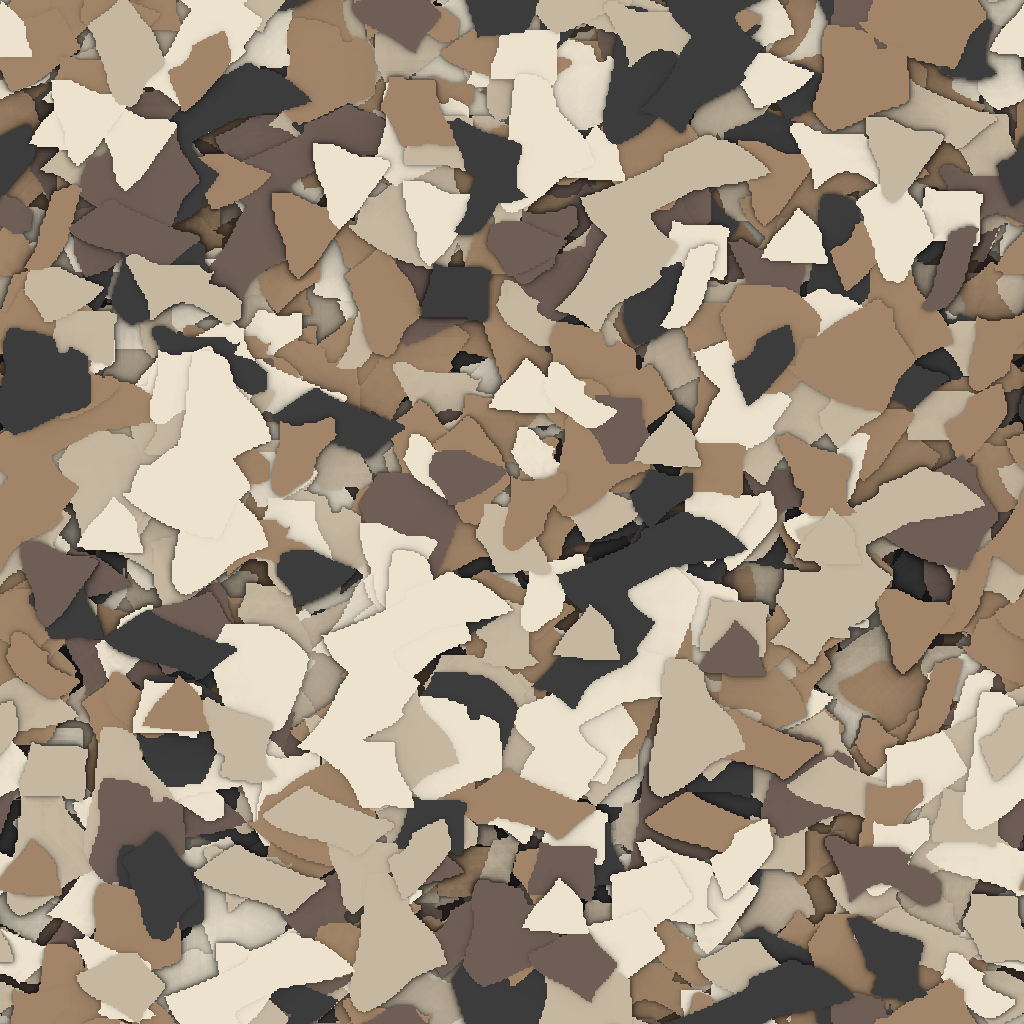
Pick a color from the Amazing Blends collection (11 SKUs averaging $108 per 40 lb box), order one 40 lb box for a standard decorative broadcast on a 400 sq ft garage, and budget another $200 to $300 for basecoat, topcoat, and prep materials.A weekend of work, 15 plus years of payoff, and a garage that finally looks like the rest of the house.