Standard epoxy will blister, peel, and fail on a basement floor with active moisture inside about 6 to 18 months. The fix is not skipping epoxy, it is using a moisture vapor barrier primer rated for up to 25 lbs MVER, or a 100 percent solids epoxy specifically marketed as moisture tolerant. Pair that with a calcium chloride test first to know what you are dealing with, and a basement flake floor can run 15 to 20 years even on a damp slab. Coating a wet basement without addressing vapor pressure is the single most common epoxy failure we see.
Why Basements Are Different From Garages
A garage slab sits above grade with air circulation on all sides. A basement slab sits below grade with soil and sometimes a water table pressing moisture up through the concrete. That moisture moves as vapor, measured in pounds per 1000 sq ft per 24 hours. This is called the MVER, or moisture vapor emission rate. Concrete is porous. It is always passing some vapor. The question is how much.
For reference, here is the working scale most resin manufacturers use:
- 0 to 3 lbs MVER: Standard epoxy will bond and last.
- 3 to 8 lbs MVER: Moisture tolerant epoxy required.
- 8 to 25 lbs MVER: Moisture vapor barrier primer required before any coating.
- Above 25 lbs MVER: Active water intrusion. Solve the drainage problem first, do not coat.
Most older basements without a polyethylene vapor barrier under the slab run in the 5 to 12 lbs range. New construction with a proper 10 mil vapor barrier usually tests at 2 to 4 lbs. You need to know your number before you buy any product.
How to Test Basement Moisture
Two simple tests. Either one works, and either one costs less than $50. Do this before you spend a dollar on epoxy.
- The plastic sheet test (ASTM D4263). Tape a 2 ft by 2 ft square of clear plastic to the slab on all four edges. Leave it for 24 hours. Lift it. If the underside is wet, you have a moisture issue. This is a yes/no test, not a quantity test, but it is free.
- Calcium chloride test (ASTM F1869). Buy a kit online for $30 to $40. It is a dish of anhydrous calcium chloride that sits sealed to the slab for 60 to 72 hours. You weigh it before and after. The weight change gives you a real MVER number in lbs per 1000 sq ft per 24 hours. This is the test commercial installers use, and it gives you the data to pick the right primer.
Run the test in the season you expect the highest moisture, which in most regions is spring. A test done in dry July will underread by 30 to 50 percent vs. a wet April reading.
The Right Coating Stack for a Damp Basement
If your slab tests in the 3 to 25 lbs range, here is the system that holds.
- Diamond grind to CSP 2. No acid etch on a basement slab. Etching adds moisture you do not need.
- Repair cracks with a polyurea or polyurethane crack filler. Not concrete patch. Patch will let vapor through.
- Moisture vapor barrier primer. A two-component 100 percent solids epoxy specifically rated for high MVER, applied at 8 to 12 mils. This layer is the dam that holds back vapor pressure.
- Pigmented epoxy basecoat. Standard 100 percent solids, 8 to 10 mils. This is where the flake gets broadcast.
- Full flake broadcast. Refusal rate for the cleanest cure.
- Polyaspartic or polyurethane clear topcoat. 4 to 6 mils for a basement, since traffic and UV are lower than a garage.
Total system thickness ends up around 25 to 35 mils, which is what gives a basement floor that solid, smooth feel underfoot.
What About Older Basements With No Vapor Barrier?
Many homes built before about 1980 were poured directly on dirt with no plastic vapor barrier underneath. Those slabs can read 15 to 25 lbs MVER even when they feel dry to the touch. The good news: modern MVB primers like Versatile MVB, Sherwin Williams Resuprime MVT, or comparable products are spec’d for exactly this scenario. They are not cheap, running $90 to $140 per gallon at coverage of about 80 to 100 sq ft per gallon, but they save the entire floor system above them. For a 600 sq ft basement, expect to spend $600 to $900 on the primer alone, on top of the normal epoxy and flake costs.
When You Should Not Coat At All
Three situations where I would tell a homeowner to stop and fix the underlying issue first.
- Active water intrusion. If you see standing water after rain, hear a sump pump running constantly, or have visible efflorescence buildup, you have a drainage problem, not a coating problem.
- MVER above 25 lbs. No primer is going to hold against that much vapor pressure.
- Hydrostatic pressure from a high water table. Liquid water under pressure will lift any coating off the slab.
The fix in any of those cases is usually exterior drainage, a perimeter drain tile to a sump, or in worst cases a full interior drainage system. None of that is fun, but coating over the symptom only delays the failure and ruins the new floor.
Color Choice and Basement Light
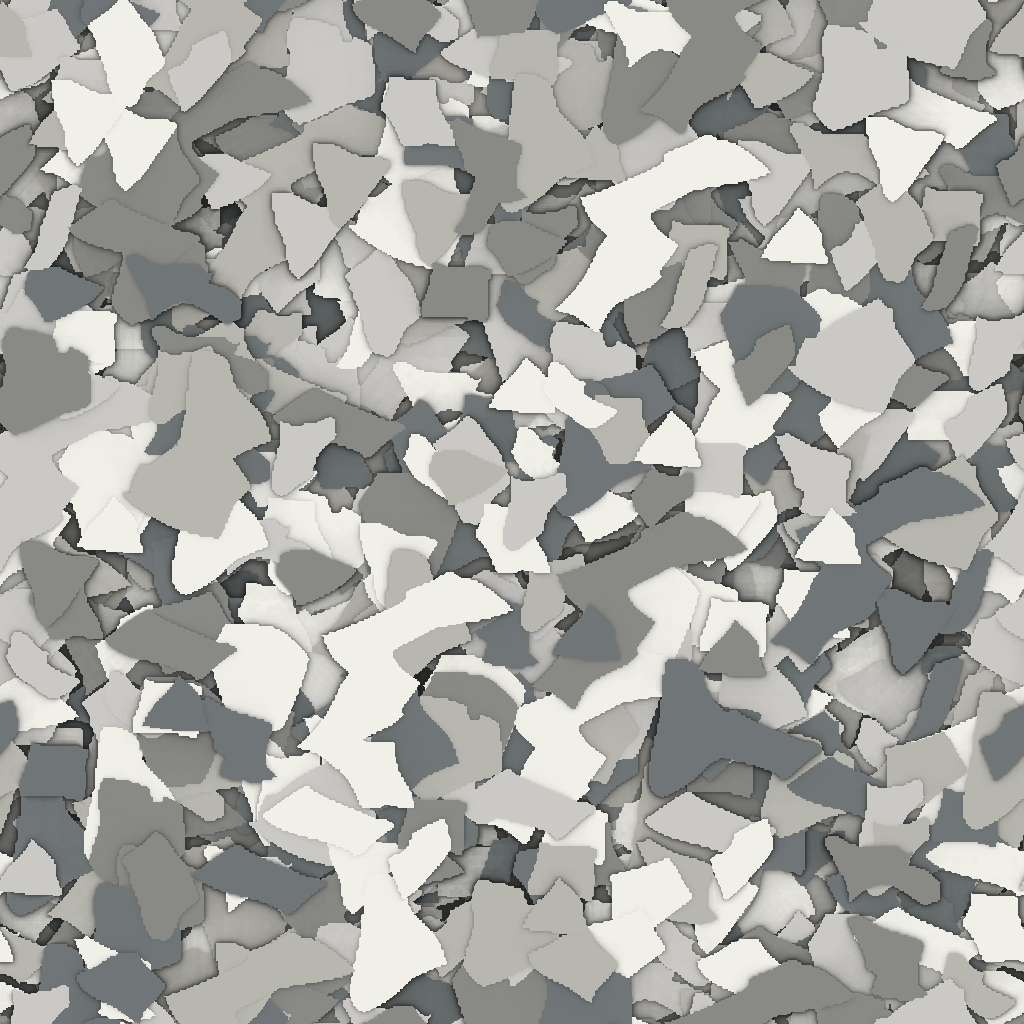
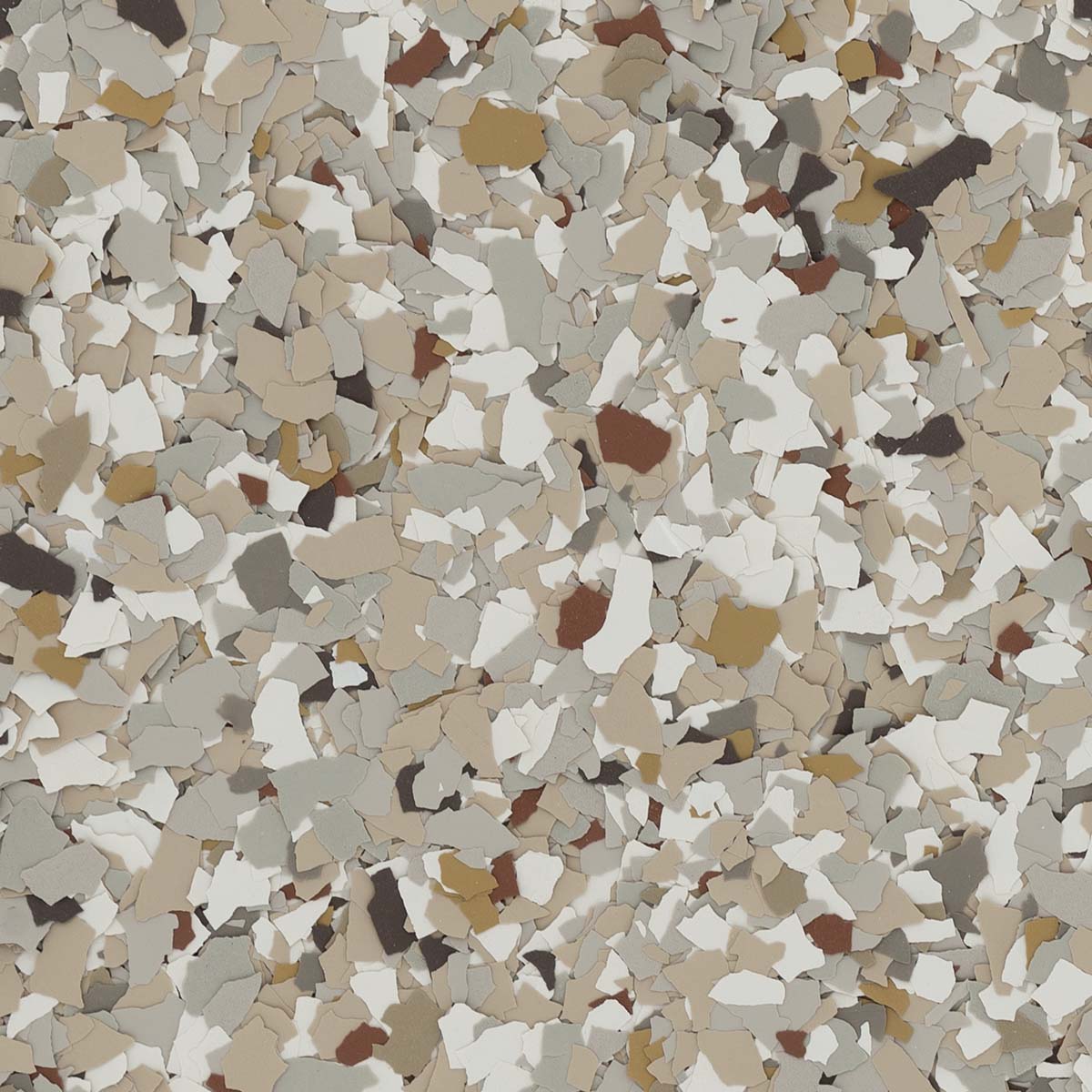
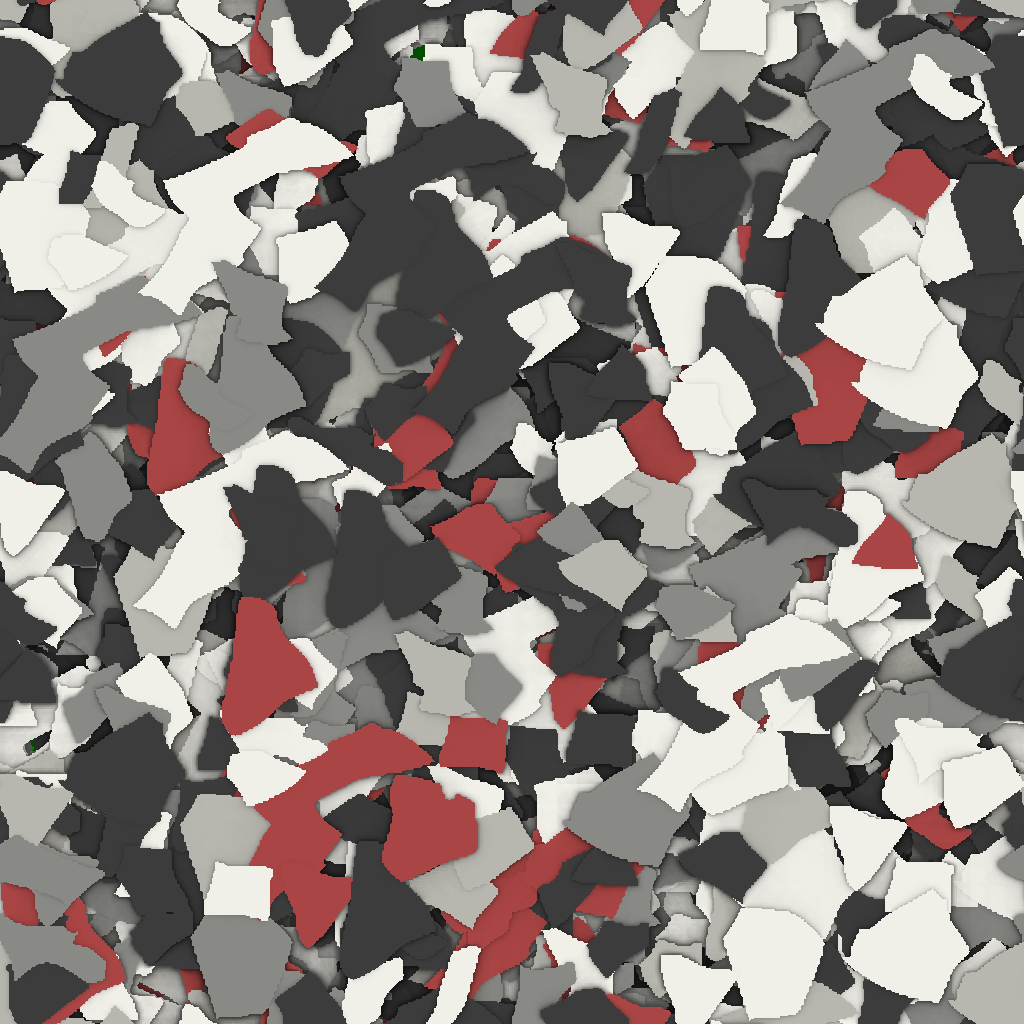
Basements lack the natural light of garages, so flake choice matters more than people think. Dark blends like Tuxedo or Stonehenge make a basement read smaller and absorb the limited light. Lighter blends like Shoreline, Sandstone, or Sealmasters bounce light and brighten the space significantly. For a workout room or kid play space, mid tone gray blends hide debris without going dark. If you want to compare side by side, the full flake shop has every blend pictured under realistic lighting.
Common Basement Install Mistakes
Most failed basement coatings trace back to the same handful of decisions. Knowing the list saves you from joining it.
- Acid etching instead of grinding. Acid leaves residual moisture and a weaker mechanical profile than diamond grinding.
- Skipping the calcium chloride test. Assuming the slab is dry because the surface looks dry. Vapor pressure is invisible to the eye.
- Using interior latex paint primer instead of an epoxy MVB primer. Latex primers fail completely under vapor load.
- Coating right after heavy rain. Basement vapor pressure spikes after a wet week. Wait 5 to 7 dry days before testing.
- Installing in winter with poor ventilation. Cold air holds less humidity, but cold basements often pull cold moist air through the slab. Heat the space first.
- Trusting a 1-part DIY kit. Big-box store 1-part epoxies are not rated for any meaningful moisture vapor. They are for clean dry garage slabs only.
Each of those mistakes is reversible only by tearing the failed coating up, which adds 3 to 5 times the labor of doing it right the first time.
Basement floors done correctly become some of the most-loved upgrades in a house. Done over wet concrete with no testing or vapor barrier, they become an expensive lesson. The difference is one weekend of testing and the right primer. A $40 calcium chloride kit and a couple hundred dollars of MVB primer turn a problem slab into a 15-year finished floor. Skip those steps and you spend that same money tearing up a failed coating, plus another two grand redoing the whole install correctly. The math is not subtle.