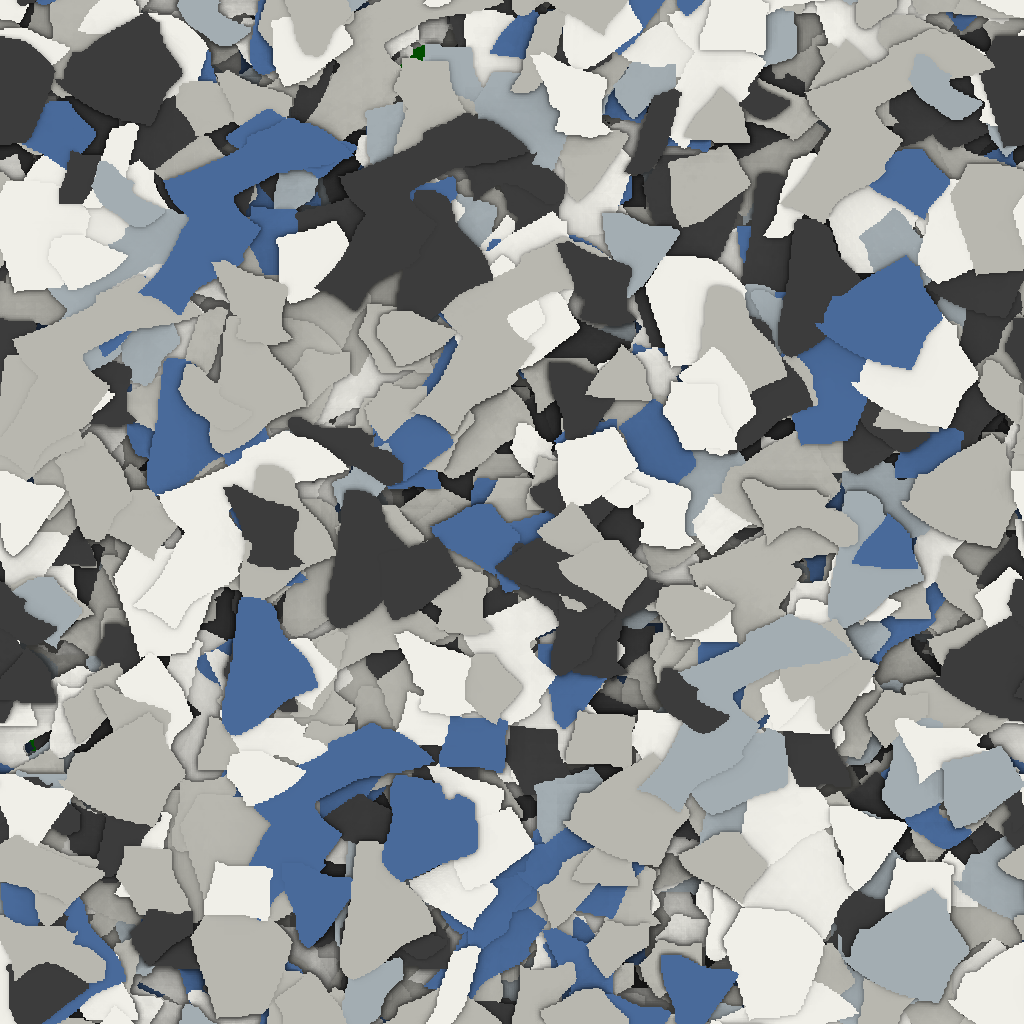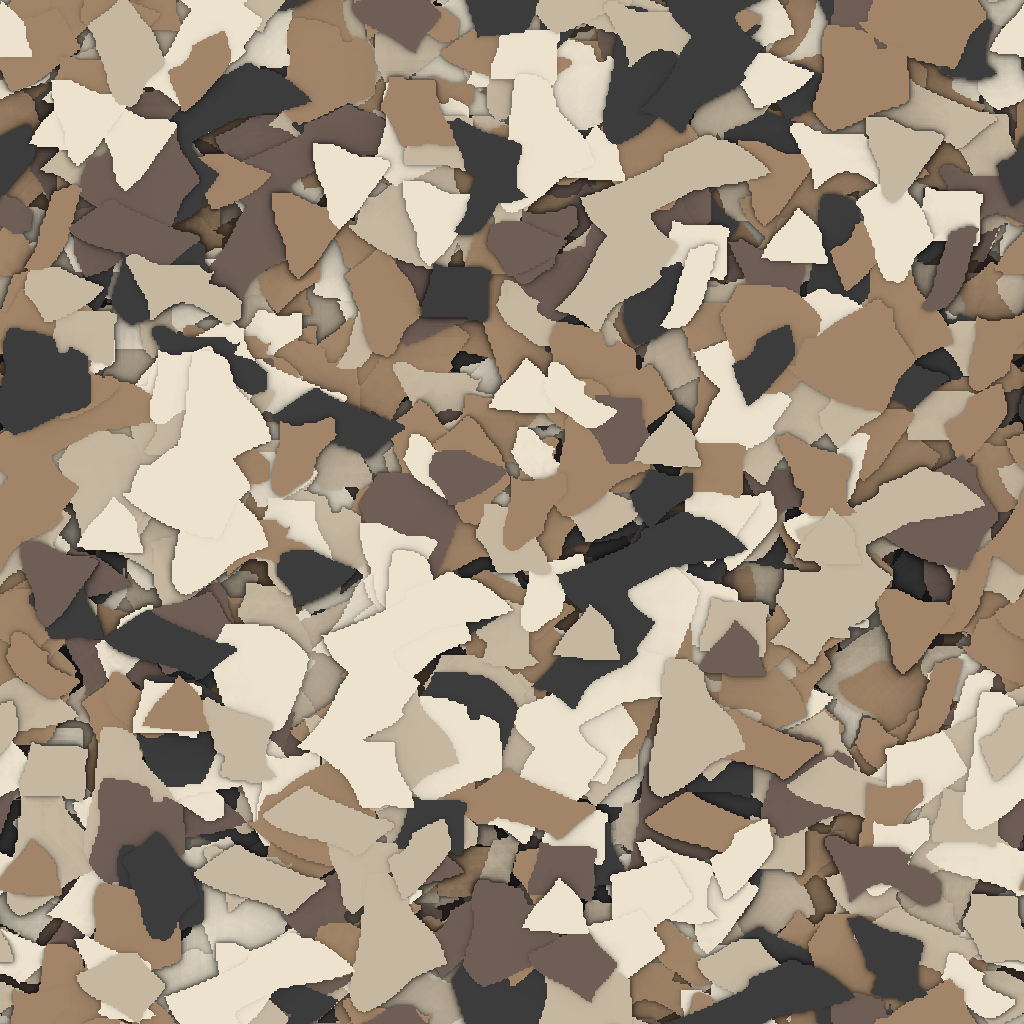
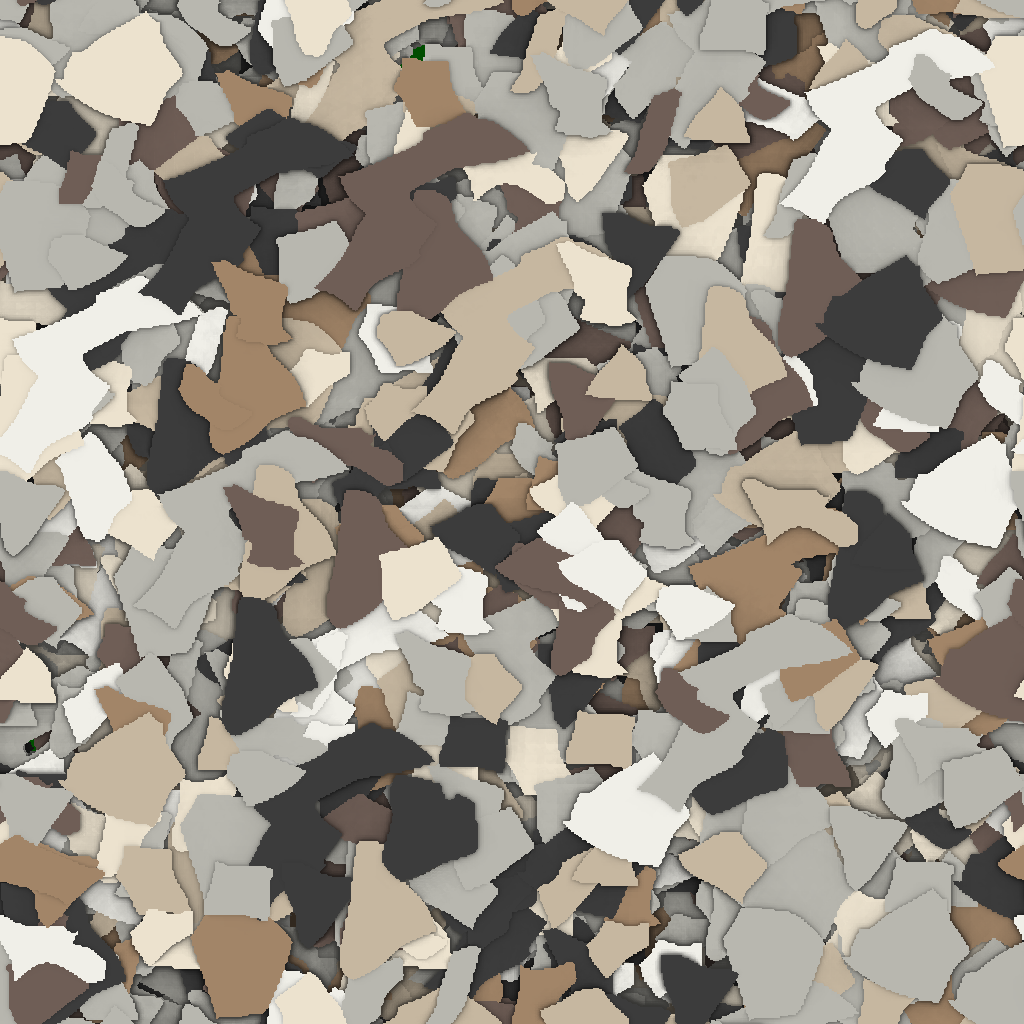
Match your flake color to your house exterior when the garage door stays open and the floor is visible from the street, when you plan to sell within 5 years, or when the garage is attached and connects visually to the entryway. Pick a contrast when the garage is detached, used as a workshop, or feels personal and you want it to express your own style instead of the house. Roughly 60 percent of buyers prefer matched garages because they feel more polished. The other 40 percent prefer contrast because it feels more custom. There is no wrong answer, only the right answer for your specific situation.
When matching wins
Match the flake color to your house exterior in these five cases:
- Resale within 5 years. Realtors consistently rate cohesive curb appeal as a top three factor in pricing. A garage that visually matches the house adds perceived value.
- Attached garage with a visible interior from the front entry. The floor reads as an extension of the house finish.
- Open garage door is part of your normal use. Neighbors and buyers see the floor every time you back the car out.
- HOA neighborhoods with design guidelines. Some HOAs explicitly require coordinated exterior finishes, including visible garage floors.
- Modern or contemporary architecture where the design intent is monochrome continuity from outside to inside.
For a tan stucco or stone home, that means a warm flake like Sandstone, Marriott, or River Rock. For a gray painted home with white trim, that means Shoreline, Royal Gray, or Stonehenge. For a brown or cedar exterior, that means River Rock, Brownstone, or a custom warm blend.
When contrast wins
Pick a contrast to your house in these five cases:
- Detached garage or workshop. The space is independent visually and should look like what it is.
- Personal workshop, man cave, or hobby space where the room reflects you, not the house.
- Modern or industrial style garage interior with steel cabinets, slat wall, and equipment storage where a darker contrasting floor anchors the design.
- Long term ownership of 10 plus years where personal taste outweighs resale.
- House exterior is a color you do not actually love (some neighborhoods limit choices). The garage is a chance to do something better.
For a beige stucco home you find boring, a Tuxedo or Stonehenge floor inside the garage feels like its own space. For a forest green house, a warm Sandstone or Marriott floor feels like a welcome change inside the garage.
The three classic combinations that always work
If you want a safe pick that works for both matching and contrast logic:
- Charcoal flake floor + medium to dark exterior + white trim: the floor matches the trim story, contrasts the body, works for almost any exterior style
- Warm gray flake floor + cool gray exterior or cool gray flake + warm tan exterior: cross temperature contrast that still reads coordinated
- Multi tone medium blend like Royal Gray or Shoreline + any exterior: neutral enough to match anything, distinct enough to feel intentional
These three combos avoid both the matchy matchy trap and the random clash. They look intentional in any house style.
What buyers actually want
Surveying real estate agents in mid market neighborhoods shows three consistent buyer preferences for garage floors:
- Cohesive feeling: the floor should look like it belongs to the house, even if it does not literally match colors
- Light to medium tone: dark garage floors read smaller and less inviting on showings
- Multi tone blend over solid: solid colored garage floors read commercial or unfinished
Notice that exact color matching is not on the list. Buyers want the floor to feel coordinated, not identical. A warm gray flake on a tan stucco house is coordinated. A perfectly matched tan flake is also coordinated, but does not perform better.
Sampling the color before you commit
The single most useful step before you order is to get physical flake samples in your hand. Lay them on the actual floor in your actual garage with the actual lighting. Hold a sample by the door, against the wall, in shadow, and in sunlight. Color reads differently in each spot. A flake that looks perfect on a screen can read wildly different in real garage lighting.
Many flake suppliers offer free or low cost sample sets that include the 11 Amazing Blends plus key Insignia and Marble blends. Order before you commit to a full install. The $10 to $20 in sample shipping saves you a $400 to $800 mistake.
Custom blending to match exactly
If you want a literal match to your house exterior, a custom blend from a 140 chip color palette lets you replicate any paint color, stone color, or stucco color almost perfectly. The custom color picker lets you build a blend by selecting up to 5 chip colors and setting the percentage of each. For a house with a primary body color, a trim color, and an accent door color, a custom blend with 60% body, 30% trim, and 10% accent reproduces the exterior palette in flake form.
Custom blends typically take 5 to 10 business days to mix and ship, versus 2 to 3 days for stock blends. Plan ahead if you want a custom match for a specific install date.
Roof, trim, and accent considerations
House exterior is not one color. Most homes have a body color, trim color, roof color, and sometimes an accent door color. When deciding what to match, the smartest target is usually the body color of the siding or stucco at a value level, with the trim or roof color contributing accent tones in the flake blend.
For example, a gray home with white trim and a black roof matches well with Stonehenge (gray and charcoal flake), Royal Gray (medium gray with light accents), or Tuxedo (black and white). All three pick up at least two of the exterior colors. A brown brick home with cream trim and brown roof matches well with Brownstone, River Rock, or a custom blend pulling brown and cream chips.
If your exterior has a strong accent color like a colored front door or shutters, you can echo that as a 5 to 10 percent accent in a custom flake blend. A navy blue front door on a white house pairs nicely with a flake floor that includes a small percentage of navy chips in an otherwise neutral blend. The repeat tells viewers the choice was intentional.
The single rule that matters most
If you remember nothing else from this article, remember this: pick a flake color that you will still love in 10 years. The cost of installing a flake floor is roughly 80% labor and prep, and 20% material. Changing colors later means doing the whole install over. The slightly more conservative pick that you can live with for a decade is almost always better than the bold pick that excites you for 18 months.
The most regretted choices in flake floor installs are extreme: pure black, pure white, bright primary colors as the dominant chip, and ultra trendy blends that age fast. The least regretted choices are multi tone neutrals in the gray, tan, and warm earth families. They age well, hide stains, and never feel dated.
Practical recommendation
For an attached garage that opens to the street and a house you plan to keep less than 10 years, match the flake to the house exterior in temperature and value. Pick a multi tone blend in the same family as your siding or stone. For a detached workshop or a personal garage in a house you will own forever, pick the contrast that makes the room feel like yours. Either way, order samples first, lay them on your actual floor in actual lighting, and live with the choice for at least a week before you commit.
To start the process, browse the full lineup in the flake catalog, narrow to 3 or 4 favorites, and order samples. The right color usually picks itself once you see the options on your own garage floor in your own light.