100% solids epoxy costs roughly two to three times more per gallon than water based epoxy, but delivers 10 to 12 mils per coat versus 2 to 4 mils for water based, holds flake far better, bonds tighter to concrete, and lasts two to three times longer in service. For a flake garage floor that you want to last 15 to 20 years, 100% solids is worth the extra cost. For a quick refresh, a rental property, or a basement that just needs to look clean for a few years, water based epoxy is acceptable.
What solids content means
The solids percentage on an epoxy data sheet tells you how much of the wet gallon actually stays on the floor after the solvent or water evaporates. A 100% solids epoxy puts every drop on the floor. A 50% solids epoxy loses half to evaporation. A water based epoxy at 40% solids loses 60% of the wet film thickness.
Translated to mil thickness per coat at a typical 200 sq ft per gallon spread rate:
- 100% solids epoxy: 10 to 12 mils per coat after cure
- High solids epoxy (70 to 80%): 6 to 8 mils per coat
- Standard water based epoxy (40 to 50%): 2 to 4 mils per coat
- Latex “epoxy” paint kits: 1 to 2 mils per coat
Cost per gallon vs cost per mil
The math flips once you account for mil thickness. Cost per gallon looks like:
- 100% solids epoxy: $70 to $120 per gallon, $130 to $200 for a 2 gallon kit
- High solids epoxy: $50 to $80 per gallon
- Water based epoxy: $30 to $50 per gallon
- Latex paint kits: $80 to $120 for a single kit, but only covers 250 sq ft at 2 mils
Cost per mil of cured thickness per square foot tells the real story. 100% solids epoxy lands around 4 to 6 cents per mil per square foot. Water based lands around 8 to 12 cents per mil per square foot. Latex kits land around 15 to 25 cents per mil. To match a single coat of 100% solids epoxy in mil thickness, you would need three coats of water based epoxy and roughly six coats of latex kit material. Once you do that math, 100% solids is actually the cheapest per mil.
Adhesion and bond strength
100% solids epoxy bonds to concrete through chemical penetration. Without water or solvent in the way, the resin can soak into the top 1 to 2 mils of concrete and lock mechanically into the pores. The bond strength on a properly prepped slab is typically 300 to 450 psi, often higher than the tensile strength of the concrete itself. Concrete fails before the bond does.
Water based epoxy has to fight evaporation during cure. The water lifts the resin slightly as it leaves, which weakens the bond. Typical bond strength runs 100 to 200 psi. That is enough for light residential use but not enough for hot tire pickup or a garage with chair rolling.
Flake adhesion
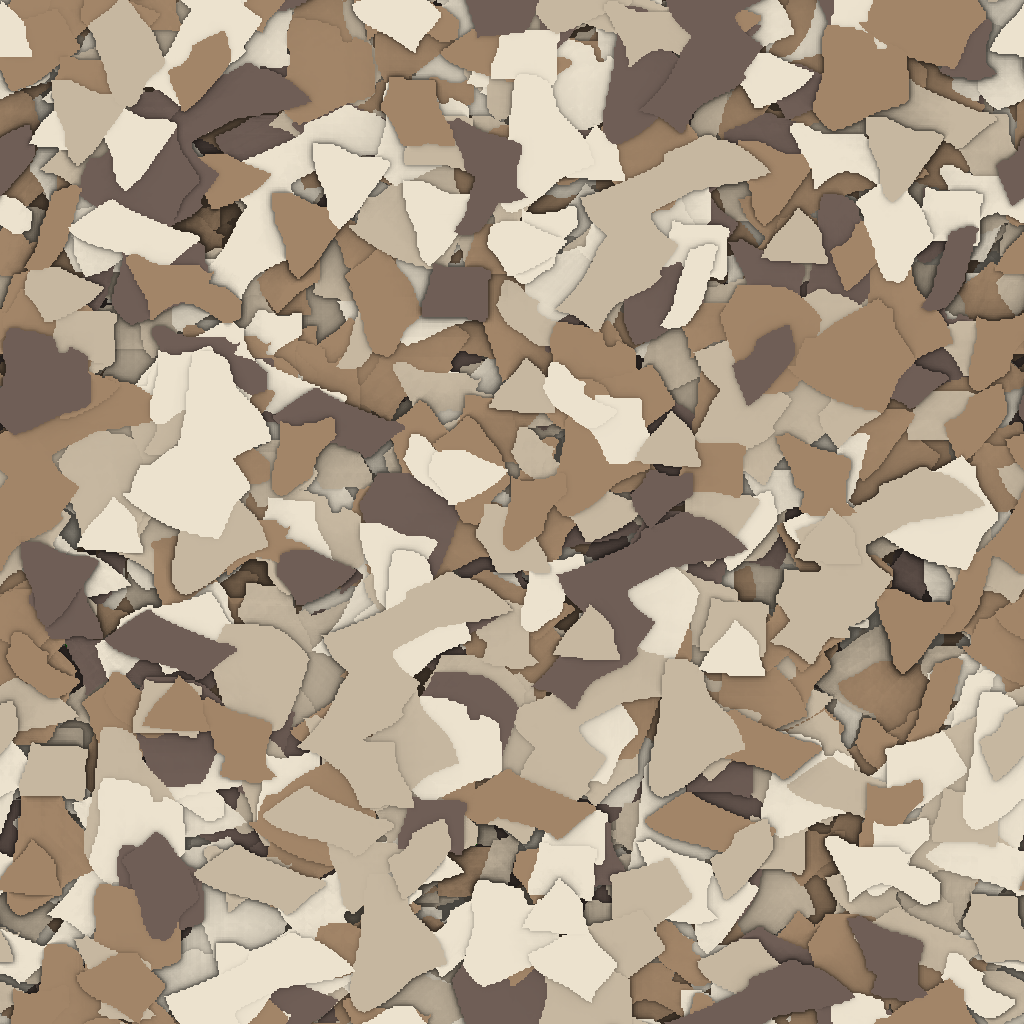
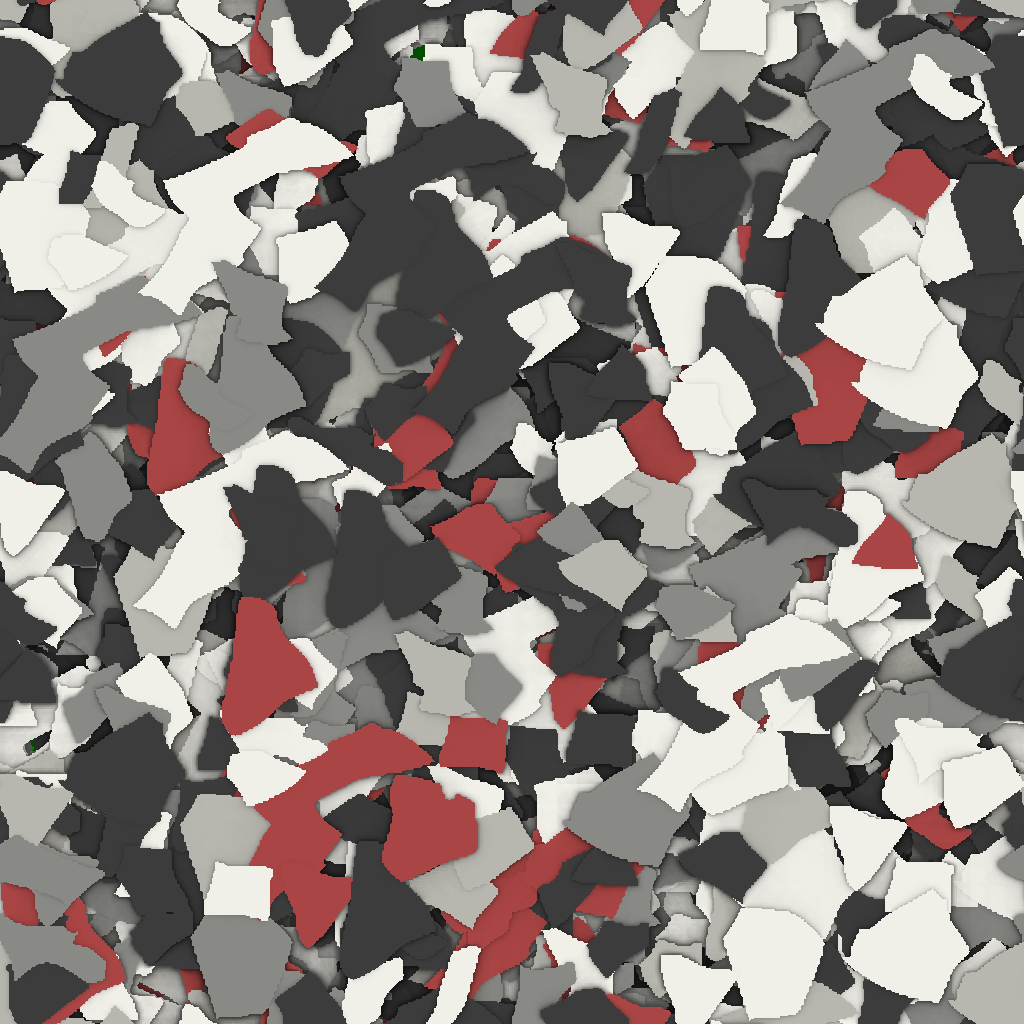
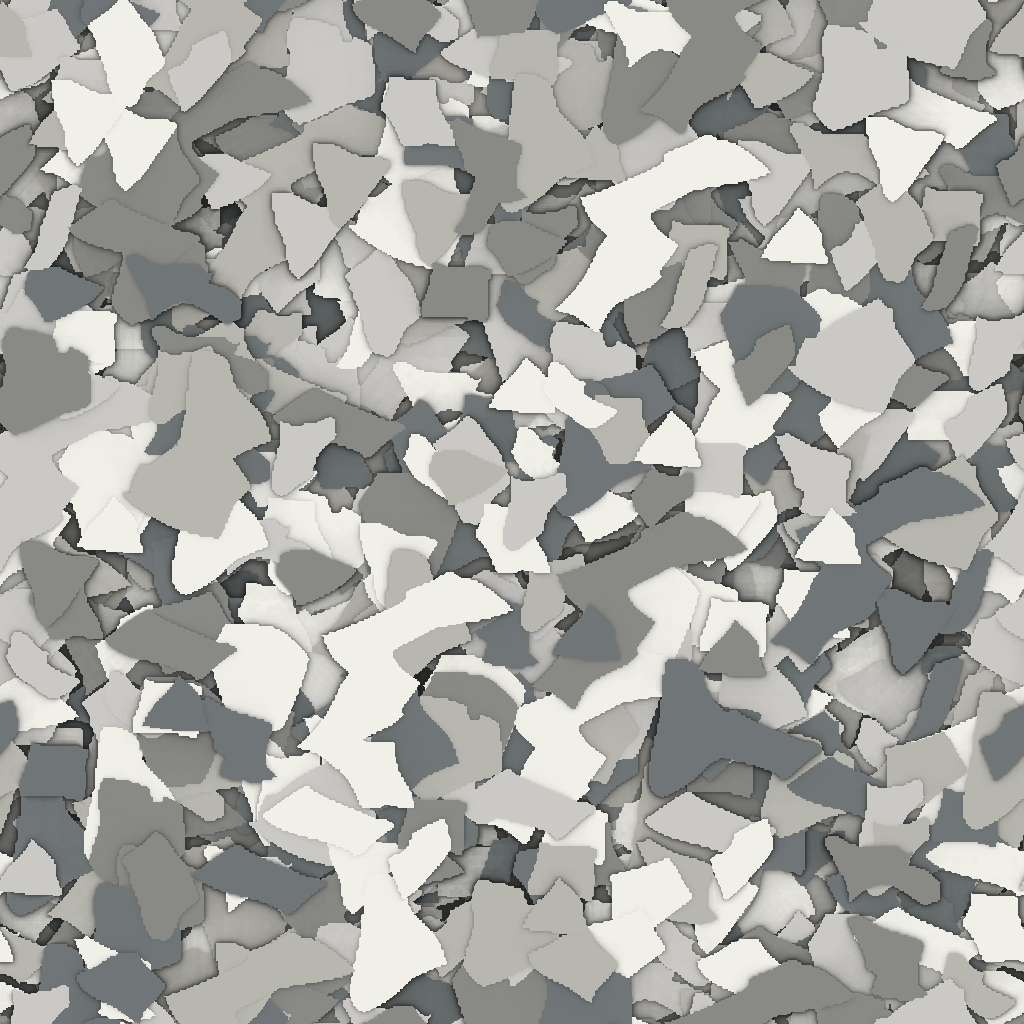
This is where 100% solids really wins for a flake floor. When you broadcast vinyl flake into wet 100% solids epoxy, the chips sink halfway into the resin and the resin wraps around them. After cure, the flake is mechanically locked. Almost nothing pulls it out short of a chisel.
Water based epoxy is too thin to embed the flake properly. Chips sit on top instead of sinking in. The topcoat eventually fills around them, but the mechanical lock is weaker. Years later, you see flake popping out around tire paths or chair zones.
Cure time
The trade off with 100% solids is pot life and cure window:
- 100% solids epoxy: 30 to 45 minute pot life, 8 to 12 hour recoat window, 24 hour walk on, 72 hour full cure
- Water based epoxy: 60 to 90 minute pot life, 4 to 6 hour recoat window, 12 hour walk on, 48 hour full cure
You have to work efficiently with 100% solids. Two person teams are smart on anything over 300 sq ft. For solo installers, pre-cut the floor into 50 sq ft sections, mix one gallon at a time, and never mix the next batch until the current one is on the floor.
When water based makes sense
Water based epoxy has three legitimate use cases:
- Rental property floors where you need acceptable looks for 3 to 5 years and want low cost
- Basement floors with low traffic and no hot tire exposure
- Cold weather installs in the 40 to 55 degree F range, where some water based products handle low temps better than 100% solids
If any of these match your project, water based at 70 to 80% solids is the right pick. Avoid the 40 to 50% solids latex kits sold in big box stores for anything more serious than a hobby room.
Temperature and concrete moisture
100% solids epoxy needs 55 degrees F minimum at the slab and air temperature. Below that, the resin gets thick, does not self level, and cures slowly. Water based epoxy can be applied as low as 50 degrees F but should not be used below 50, because water inside the film does not evaporate properly and the coating gets cloudy.
For concrete moisture, both products want a moisture vapor emission rate below 3 pounds per 1000 sq ft per 24 hours. Test with a calcium chloride kit or a digital moisture meter before you coat. If your slab is wetter than that, neither epoxy will bond reliably and you need a moisture mitigation primer first.
Common installation mistakes with 100% solids
The performance advantage of 100% solids only shows up if the install is done right. The three most common DIY mistakes:
- Mixing too much at once. A 2 gallon kit at 30 minute pot life means you have 30 minutes from the moment you start stirring. New installers mix the full kit, then realize at minute 25 they have only covered half the floor. The remaining resin hardens in the pail.
- Spreading too thin to stretch coverage. Hitting 250 sq ft per gallon instead of the recommended 200 sq ft drops the cured film thickness from 12 mils to 9 mils and creates dry roller marks. Resist the urge to stretch.
- Skipping prep. 100% solids epoxy is unforgiving on poorly prepped concrete. The thick film highlights every divot, ridge, and unground patch. Diamond grind first, fill cracks with epoxy patch, then coat.
Practical recommendation
For any garage floor flake install you want to keep for 10 plus years, use 100% solids epoxy as the base coat. Plan on 1.5 to 2 gallons per 400 sq ft, broadcast flake at decorative broadcast or full reject while the base is still wet, then top with polyaspartic. The total system thickness lands at 25 to 35 mils, which is the standard for a high quality residential garage.
If your floor will see hobby use, working on cars, hot tire pickup, dropped tools, or chair rolling, 100% solids is not optional. It is the only way the flake stays locked into the floor for the life of the system. To estimate your material needs, multiply your square footage by 1.5 for 100% solids epoxy gallons, then pick a flake blend from the Amazing Blends lineup to match your finish color.