
Epoxy flake is the better choice for almost every garage. It costs roughly half as much per sq ft long term, lasts 15 to 20 years vs 5 to 8 for interlocking tiles, sits flush with the concrete without trip hazards, and resists hot tire pickup. Interlocking tiles win in exactly three scenarios: renters who need to take the floor with them, slabs too cracked or moist for any coating, or installs that need to be done in a single afternoon with zero cure time. For a homeowner with a sound slab, epoxy flake delivers more value in every measurable category.
Side by Side Cost Comparison
Pricing is the first place the two systems diverge. Here is a 400 sq ft 2-car garage at typical mid-tier pricing for each option.
- Epoxy flake (DIY materials): $700 to $1,100 total. Lasts 15 to 20 years. Cost per year of service: $35 to $73.
- Epoxy flake (contractor installed): $1,600 to $2,800. Lasts 15 to 20 years. Cost per year: $80 to $186.
- Interlocking PVC tiles (mid-grade): $1,800 to $2,800 for materials. Lasts 5 to 8 years before fading, edge curling, or seam failure. Cost per year: $225 to $560.
- Interlocking polypropylene tiles (budget grade): $1,000 to $1,600. Lasts 3 to 5 years under daily car use. Cost per year: $200 to $533.
The math on lifetime cost favors epoxy flake by a factor of 3 to 5 in most scenarios. Even contractor-installed flake comes out cheaper per year than DIY tile.
Where Tiles Actually Win
I do not recommend epoxy flake universally. Tiles have specific advantages worth knowing.
- Speed. Tiles snap in over an afternoon. No grinding, no cure time, no overnight wait. The garage is fully functional 4 to 6 hours after delivery.
- Removable. If you rent or expect to move within 5 years, tiles can be pulled up, reboxed, and reinstalled at a new house.
- Works on bad concrete. Spalled, cracked, or moisture-issue slabs that fail a coating test can still take tiles. The tiles bridge over the problem instead of bonding to it.
- Allows slab moisture to escape. Tiles are not vapor-tight, so a damp basement slab can breathe through them without trapping moisture.
- Easier patching. Stained or damaged tile? Pop it out, drop in a fresh one in 30 seconds.
If any of those five factors apply, tiles are worth a real look. Otherwise epoxy flake is the cleaner long-term play.
Where Epoxy Flake Crushes Tiles
For most homeowners with a sound slab and a 5+ year horizon, here is why epoxy flake outperforms.
- Flush surface. Epoxy bonds directly to the concrete and adds only 25 to 35 mils of thickness. Floor jack roller cases, dollies, and creepers all glide. Tiles add 1/2 inch to 3/4 inch of height, which creates trip hazards at the garage door threshold and at any door into the house.
- No seams. Epoxy flake is monolithic. Dirt, dust, oil, and water cannot get under it. Tiles have seams every 12 to 18 inches that trap debris and moisture.
- Hot tire pickup resistance. Quality polyaspartic topcoats shrug off hot tires. Many vinyl and PVC tiles soften from hot tires and either stick to the tire (tire pickup) or develop permanent ring marks.
- Chemical resistance. Epoxy resists gasoline, motor oil, brake fluid, antifreeze, road salt, and most household cleaners. Tile materials vary widely and many are damaged by oil or solvents.
- Looks like a finished room. Flake floors photograph and present as a high-end finish. Tiles always look like a garage product, even the premium ones.
Real Lifespan Differences
Marketing for interlocking tiles often quotes 20+ year warranties. Those warranties are usually on the tile material itself, not the working life of the floor. Working life is what you care about. Here is what we see in real garages.
- PVC interlocking tiles: 5 to 8 years before edges curl, seams gap, or surface texture wears smooth. Fading is significant in any tile near a south-facing door.
- Polypropylene tiles: 3 to 5 years under daily use. The plastic gets brittle, cracks at corners, and discolors.
- Rubber tiles: 8 to 12 years. More durable than plastic but absorbs oil stains and is harder to clean.
- Epoxy flake with polyaspartic topcoat: 15 to 20 years with one refresh coat in the middle. The flake itself is permanent.
Lifespan on tiles is also use dependent. A weekend hobbyist with one car gets the long end of those ranges. A daily driver with two cars and a workshop gets the short end.
Installation Effort and Skill
Tiles win on raw speed. Epoxy flake wins on skill ceiling.
- Tiles: 4 to 6 hours of work, zero skill required. Sweep, drop tiles, snap together. Done.
- Epoxy flake DIY: 2 to 3 days including cure waits. Requires diamond grinding (or rental), mixing 2-part chemistry on a schedule, broadcasting flake within an open pot window, and rolling a topcoat without lap marks. Skill ceiling is moderate. First-time installers should research and watch install videos before committing.
If skill is the limiting factor, the right answer is not necessarily tiles. The right answer is hiring a contractor to install epoxy flake. Contractor flake at $4 to $7 per sq ft is still cheaper per year than premium tiles, with a vastly better long-term result.
What Each System Looks Like Over Time
Year 1, both systems look great. The differences show up at year 3 and accelerate from there.
- Year 3: Flake floor still looks new with light cleaning. Tiles show edge wear and some color fade.
- Year 5: Flake floor in mid-life. Tiles show seam separation, embedded dirt at every interlock, and noticeable fade.
- Year 8: Flake floor needs a refresh topcoat (one weekend). Tiles need full replacement.
- Year 12: Flake floor on second cycle, still looks current. Tiles have been replaced once already.
- Year 15: Flake floor performing well. Tiles on second or third replacement.
The Honest Use Case Matrix
Pick the system that matches your situation, not the one with the loudest marketing.
- Homeowner, sound slab, 5+ year horizon: Epoxy flake.
- Renter: Interlocking tiles (you can take them with you).
- Bad slab, deep cracks, moisture problems you cannot fix: Tiles bridge over what coatings cannot.
- Need the floor done in one day, no cure time available: Tiles.
- Want resale value and best long-term ROI: Epoxy flake.
- Workshop with welding, machining, drag-loaded tool chests: Epoxy flake. Tiles do not handle dragged loads well.
- Home gym or kid play space in basement: Either works. Tiles add cushion, epoxy is easier to clean.
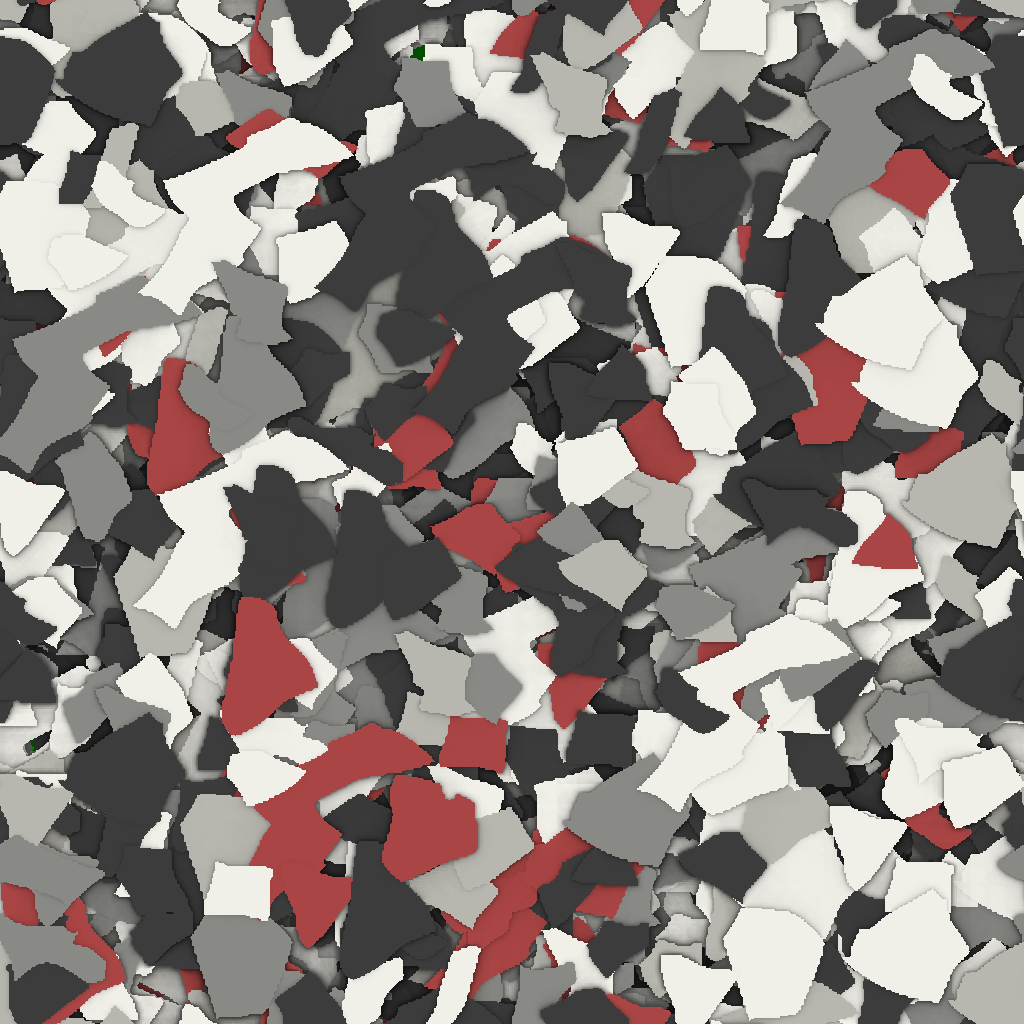
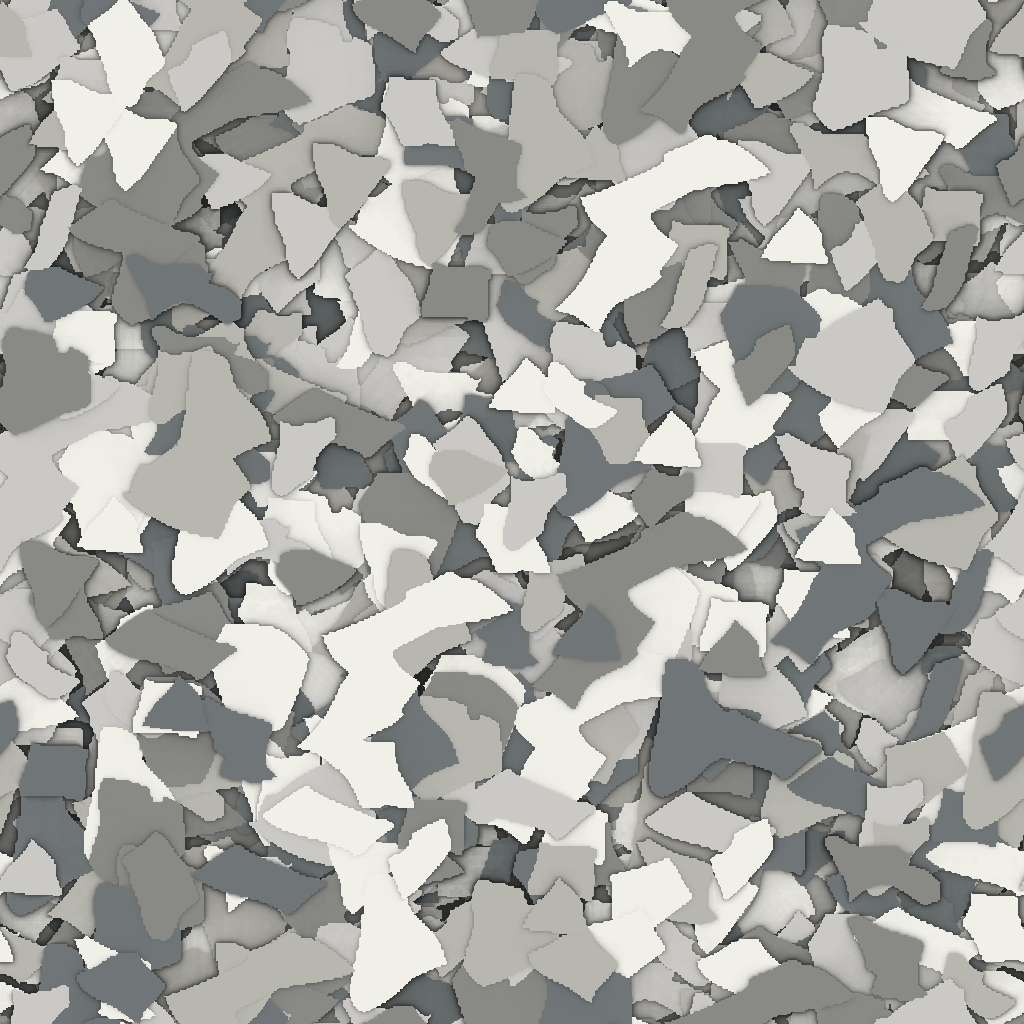
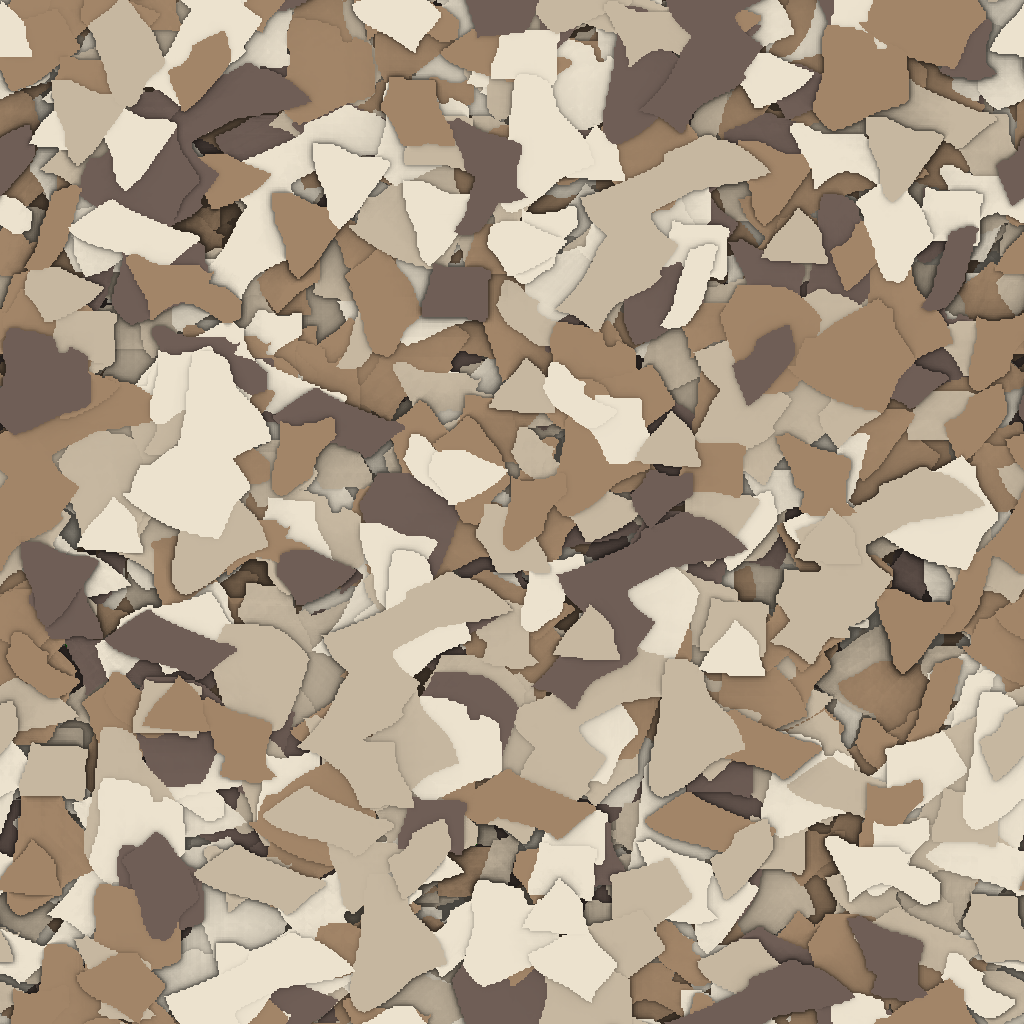
For garage owners committed to epoxy flake, the next decision is blend. The Amazing Blends line gives 11 stock options that work for most home aesthetics, or the custom blend builder gives full control over chip mix.
Resale Value and Buyer Perception
If you ever sell the house, the two systems land very differently with buyers and appraisers. This matters more than most homeowners think.
- Epoxy flake reads as a permanent upgrade. Appraisers will value it similarly to high-end tile or stained concrete. Real estate listings call it out as a feature.
- Interlocking tiles read as a portable accessory. Most buyers assume the seller will take them, and they rarely add appraised value.
- Epoxy flake photographs better. Listing photos with a flake floor make a garage look like part of the finished house instead of a utility room.
- Buyer concerns differ. Buyers ask if flake floors are slippery (they are not at full broadcast with proper topcoat) and how long they last (15 to 20 years). Buyers ask about tiles whether they will need replacement (yes) and how they handle hot tires (poorly).
- Garage flooring shows up in roughly 7 to 12 percent of MLS listings as a featured upgrade. Epoxy specifically gets called out, tiles almost never.
If the floor is going to be in your house at sale time, the resale conversation alone moves the math further toward epoxy.
Both systems have a real place. The honest verdict is that for a homeowner staying put, epoxy flake is the better investment in every category except installation speed and removability. Pay for the floor once, enjoy it for 15+ years, refresh it for a weekend at the halfway mark.