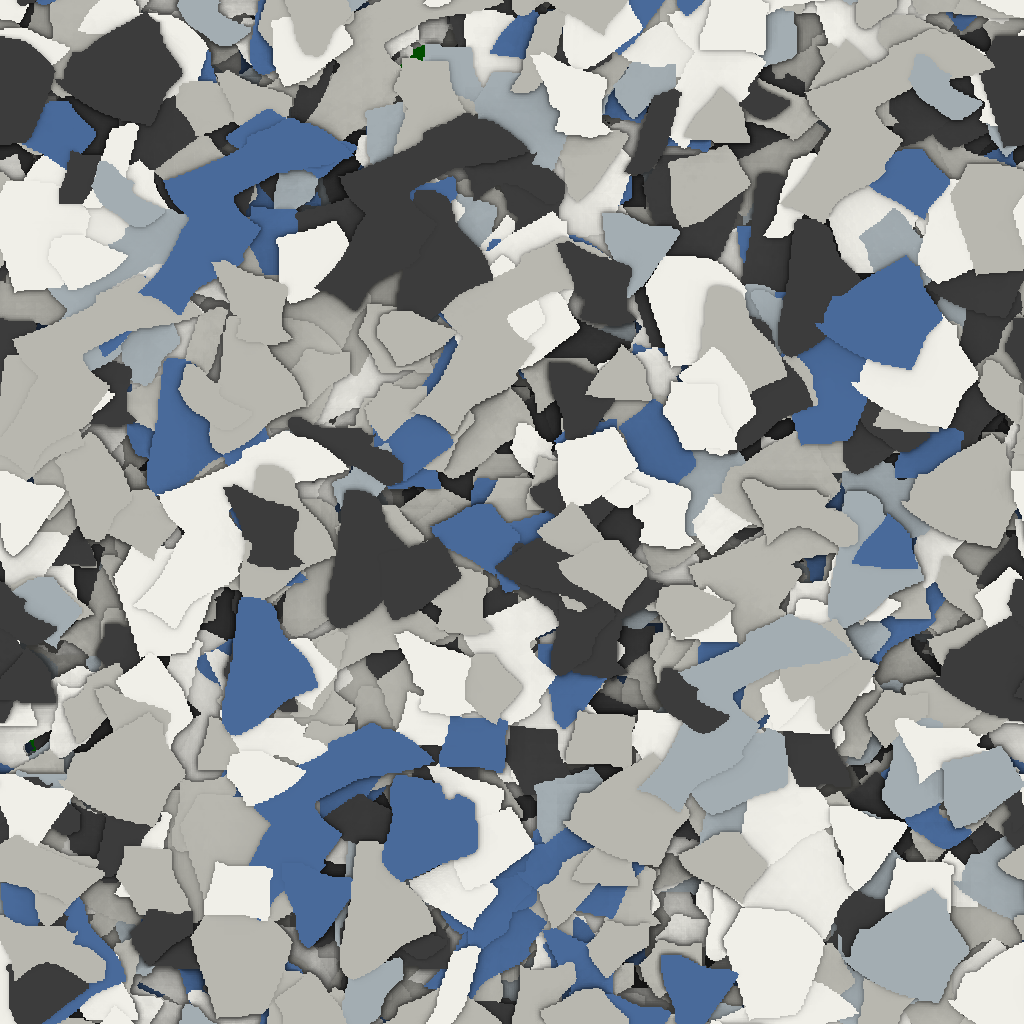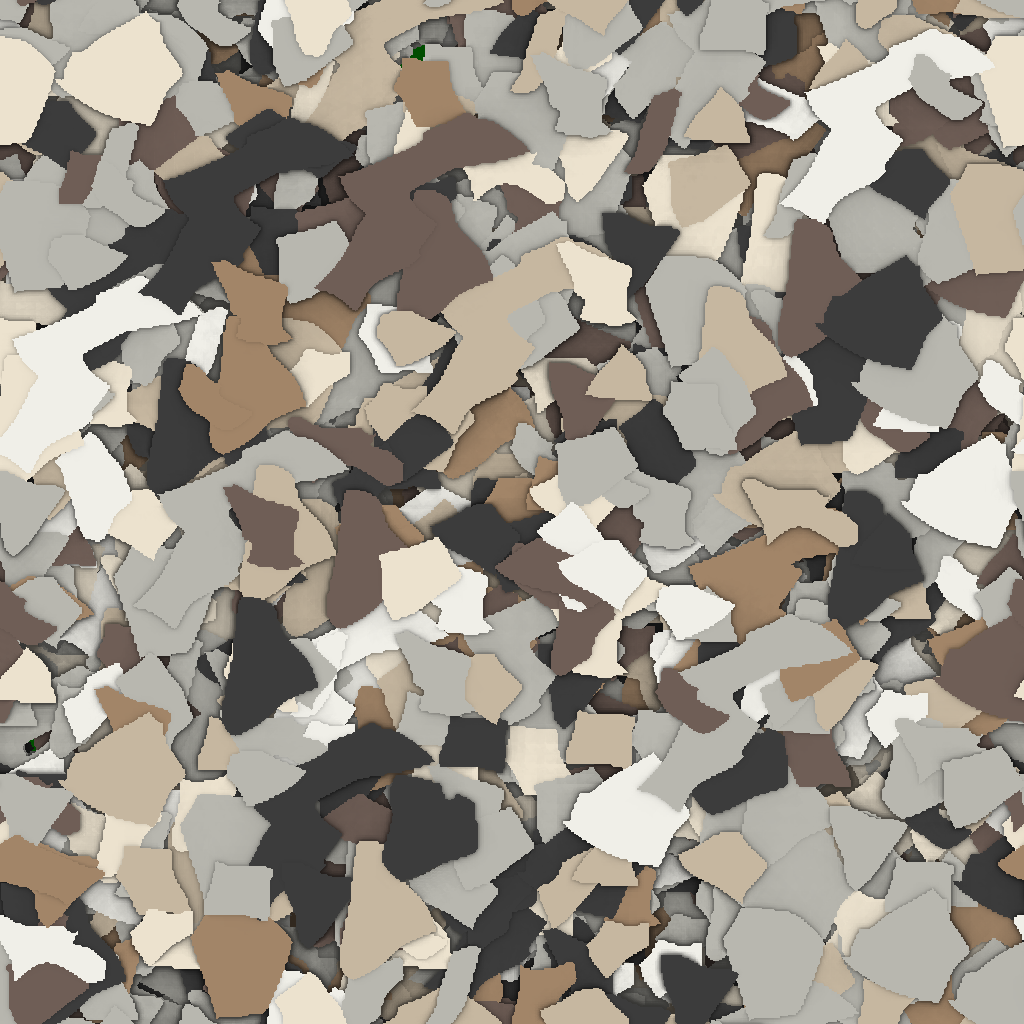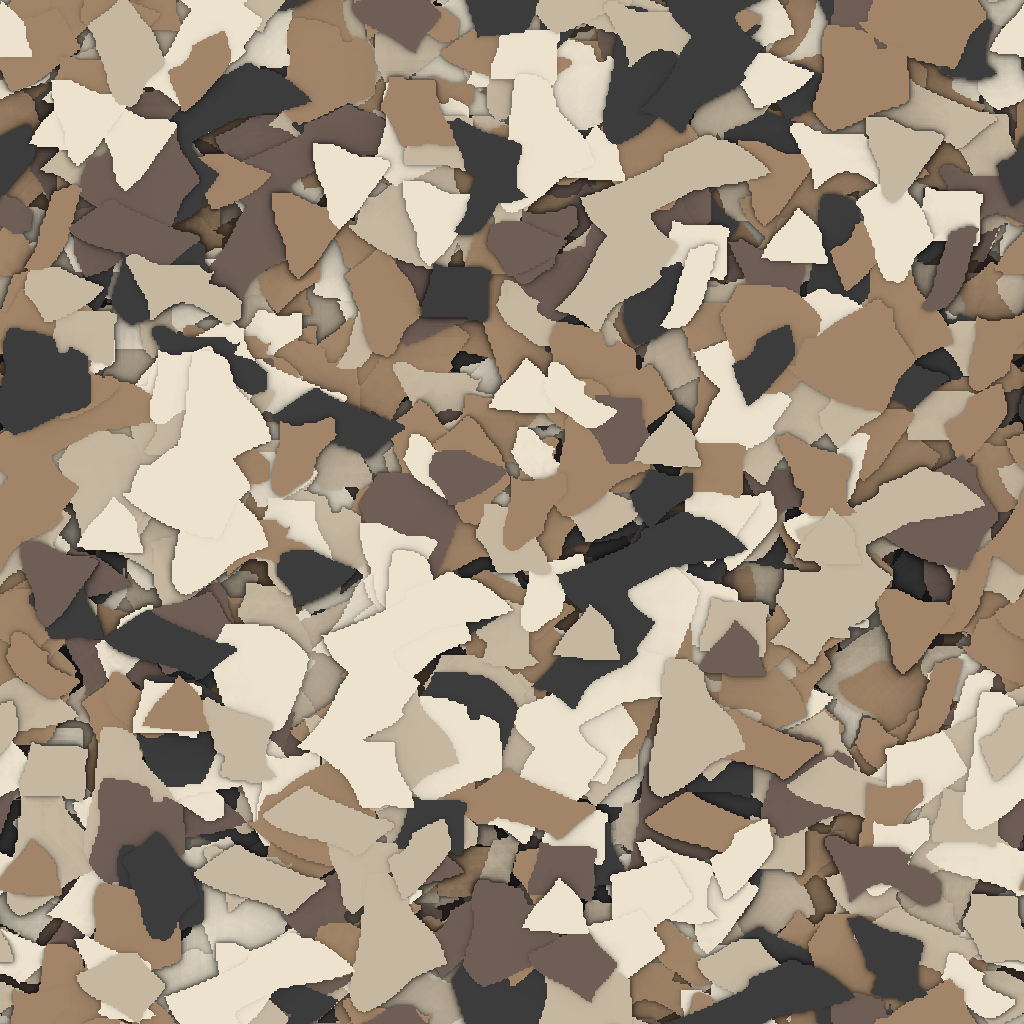
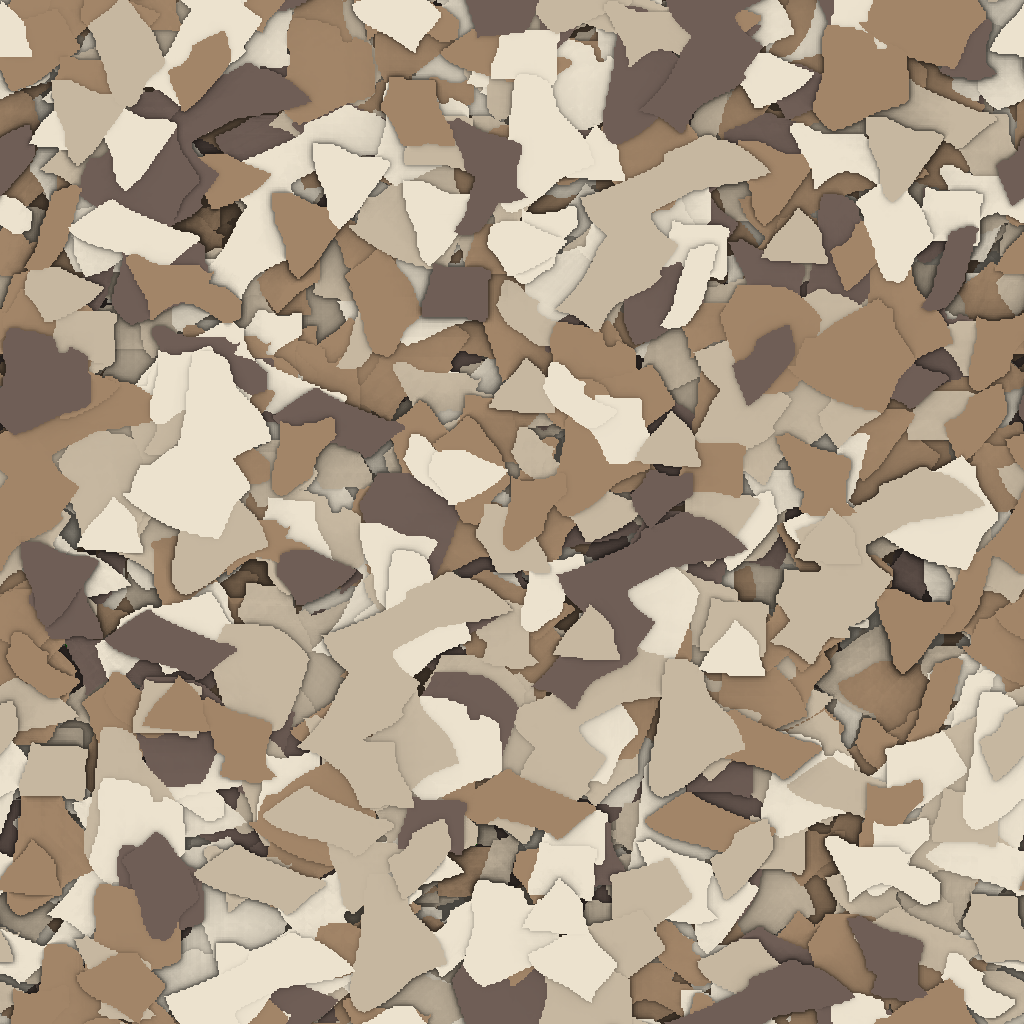
To maintain a flake epoxy floor, dust mop or sweep weekly, damp mop monthly with warm water and a pH-neutral floor cleaner (no bleach, ammonia, or citrus-based degreasers), wipe spills within 24 hours, and apply a polyaspartic refresher coat every 5 to 10 years depending on traffic. Daily wear from foot traffic and tires only affects the topcoat, not the flake or primer below, so the floor stays bright if you protect the clear layer. Hard scrubbing, abrasive pads, and harsh chemicals are the three things that cut maintenance life in half.
The weekly and monthly routine
Most of what kills a flake floor over time is grit. Sand, road salt crystals, and metal shavings get tracked in on shoes and tires, then act as sandpaper under your weight. Removing grit weekly is the single highest-leverage maintenance habit:
- Soft-bristle push broom or dust mop. Push everything toward the garage door, then sweep into a dust pan. 3 to 5 minutes for a 2-car garage.
- Microfiber dust pad on a flat mop. Picks up fine dust better than a broom. Replace the pad every 6 months or when it stops grabbing dust.
- Shop vac with a brush attachment. Best for getting grit out of the flake texture itself. The texture you can feel underfoot is what traps abrasive particles.
Skip the leaf blower indoors. It moves dust around without removing it, and fine particles re-settle in the same spots within an hour.
Once a month, do a wet clean. The goal is to lift oil residue, road film, and salt brine that grit-sweeping cannot remove:
- Sweep or vacuum first. Wet-mopping over grit grinds the topcoat. Always remove dry debris before water.
- Mix a pH-neutral cleaner. Simple Green All-Purpose (the original, not the heavy-duty) at 1 oz per gallon, or Krud Kutter Original at 2 oz per gallon, or a dedicated epoxy floor cleaner. Avoid bleach, ammonia, and pine cleaners.
- Mop in 4 foot sections. Use a microfiber flat mop or a soft cotton string mop. Do not let the cleaner dwell more than 5 minutes; it will dry to a film.
- Rinse with clean water. A second mop pass with plain warm water. This step is non-negotiable. Soap residue dulls the floor and gets slippery.
- Dry mop or air dry. 30 minutes with the garage door cracked.
Total time on a 2-car garage: 20 to 30 minutes. Skip this and the floor goes from glossy to hazy in about 12 months as soap and dust build up.
Spills and stains: what to do in the first 24 hours
Polyaspartic and epoxy are chemical-resistant, not chemical-proof. Acting fast on spills is what keeps the floor looking new:
- Motor oil: wipe with paper towels, then warm water plus a pH-neutral degreaser. Most oil sits on the topcoat and lifts in 60 seconds.
- Brake fluid: wipe immediately. Brake fluid attacks polyurethane and some polyaspartic chemistries if it dwells. Under 5 minutes is safe.
- Battery acid: dilute immediately with baking soda and water (1 cup baking soda per gallon). Mop up, rinse twice. Battery acid will etch epoxy if left more than 30 minutes.
- Gasoline or diesel: wipe up, then degrease. Gasoline does not damage cured polyaspartic in short contact but the smell lingers in the texture.
- Paint, stain, varnish: wipe immediately if water-based. For oil-based, wipe with mineral spirits on a clean rag. Avoid acetone and lacquer thinner; they soften the topcoat.
- Antifreeze: water soluble, mops up easily.
- Rust from steel tools or shelving: use a phosphoric acid rust remover (CLR or Bar Keepers Friend) on a soft sponge, dwell 60 seconds, rinse. Do not use muriatic acid; it etches epoxy.
- Coffee, soda, dog urine: wipe with warm water and pH-neutral cleaner within 1 hour. Acidic spills can leave a faint stain if they dwell overnight.
What to never use on a flake floor
This list saves more floors than any premium product:
- Bleach. Oxidizes the topcoat and yellows urethane.
- Ammonia and ammonia-based glass cleaners. Strips gloss.
- Citrus-based degreasers at full strength. The d-limonene softens cured epoxy.
- Steel wool, green Scotch-Brite, or abrasive pads. Scratches the topcoat.
- Power washers above 1500 PSI. Can blast flake out of edges and seams.
- Acid-based cleaners (CLR full strength, muriatic, vinegar at high dwell). Etches the gloss.
- Wax and floor polish. Builds up, traps grit, and turns yellow.
- Pine-Sol and pine-oil cleaners. Yellow over time and leave a film.
Tire pickup, winter salt, and the 5-year refresh
Hot-tire pickup is when a heated tire (after a 20+ minute highway drive) cools on the floor and the plasticizers in the tire bond to a soft topcoat. The result is a black or gray scuff that looks permanent. Real polyaspartic topcoats almost never get hot-tire pickup because they are too hard. Cheap urethane topcoats are the usual victims. If you see tire scuffs, scrub with Simple Green at 2 oz per gallon and a soft brush within 24 hours. Old scuffs that have set in: try a magic eraser (melamine foam) with light pressure. Prevention: park on a section of floor that gets less direct afternoon sun (cooler topcoat), or use rubber tire mats under each tire for $40 a pair.
Road salt brine pulled in on tires is the worst thing for any garage floor coating. It crystallizes, traps water, and acts as a freeze-thaw wedge in any micro-crack in the topcoat. Winter maintenance: squeegee or mop melt water within 12 hours of parking. Once per month in winter, rinse the floor with warm water and pH-neutral cleaner. No salt residue. Place rubber tire mats at parking spots from November through March. Check the garage door threshold weekly. This is the area where 90% of winter damage starts.
A polyaspartic topcoat lasts 10 to 20 years in a garage, but a refresh coat at year 5 to 7 doubles the life. Scuff sand with 120 grit on a buffer (about 45 minutes for a 2-car garage). Vacuum, then alcohol wipe. Roll a fresh polyaspartic at 4 to 6 mils. Cures in 4 hours. Back in service the next morning. Material cost: $200 to $400 for a 2-car garage. The refresh also lets you spot-repair any minor flake loss before re-clearing.
Daily etiquette that adds years of life
A few habits add years of life:
- Walk-off mat at the door from house to garage, and another at the entry from driveway. Catches grit before it reaches the floor.
- Drip pan under any vehicle that leaks. Spend $20 once instead of scrubbing oil stains monthly.
- Felt pads on tool chests and metal furniture. Scratches from sliding 200 lb tool boxes are the most common DIY damage.
- Floor jack with rubber-coated pads. Metal jack saddles concentrate force and can crack a topcoat.
- No dragging engine blocks or transmissions across the floor. Use a creeper, a dolly, or a sheet of cardboard underneath.
A well-maintained flake floor lasts 20 to 25 years before needing a real recoat. The boring weekly broom is what gets you there. If your existing floor needs touch-up flake, match by name from the Amazing Blends line or order replacement chips from the main shop. A 20 lb box is plenty for years of patch material on a 2-car garage and ships free over $150.