A properly installed flake epoxy floor with a polyaspartic or polyurethane topcoat needs a refresh coat every 7 to 10 years for a daily-use garage, and 12 to 15 years for a low-traffic shop. The flake layer itself never wears out because the chips are sealed inside resin. What wears is the clear topcoat that sits on top of the flakes. When you see dulling, micro-scratches under the lights, or traction starting to feel slick, it is time for one fresh clear coat, not a full rebuild.
Why the Flake Layer Outlasts the Topcoat
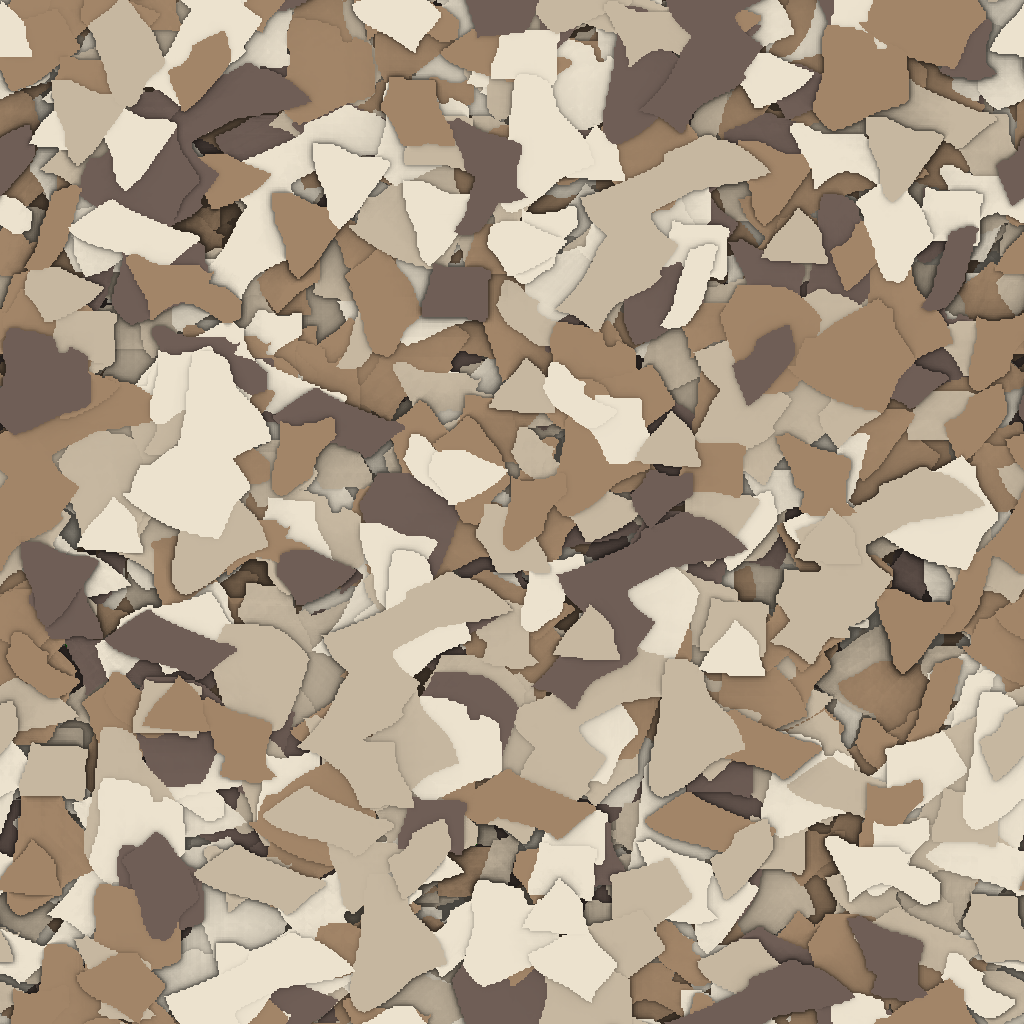
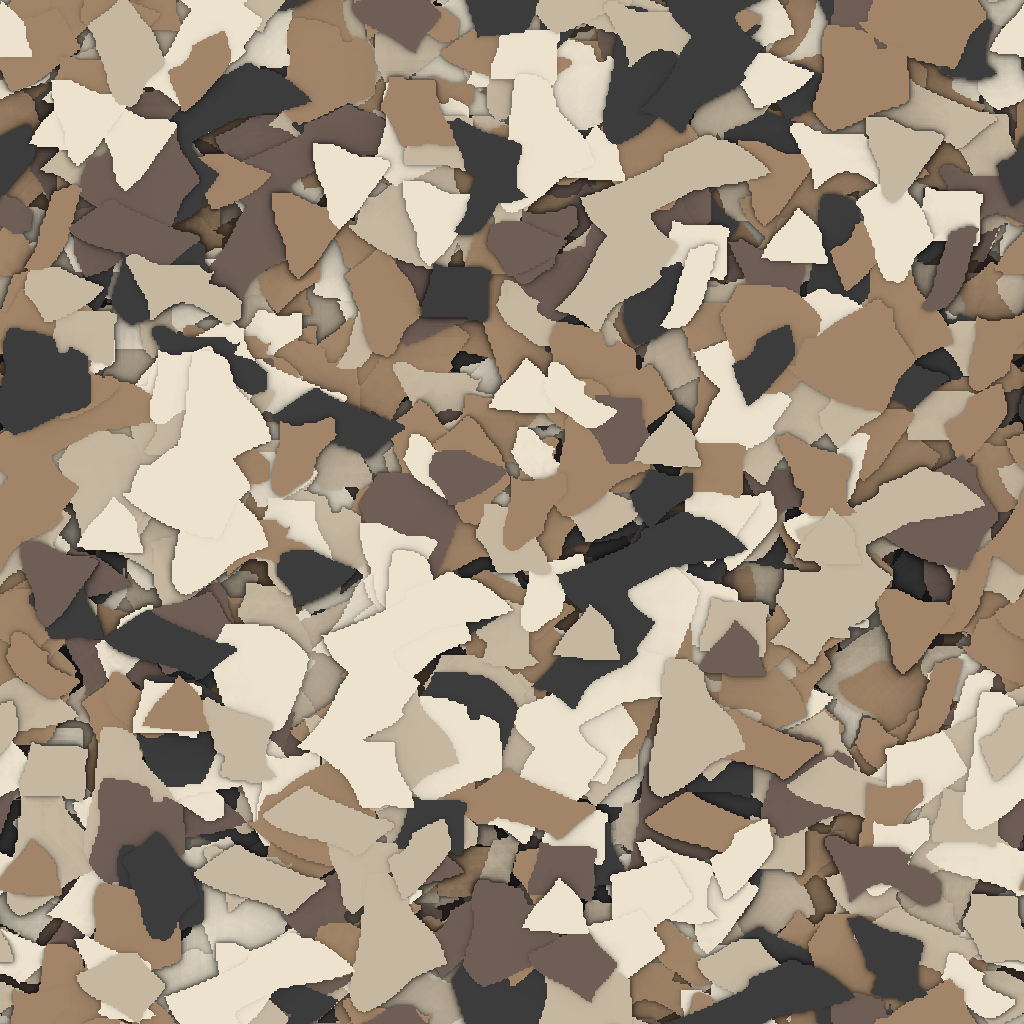
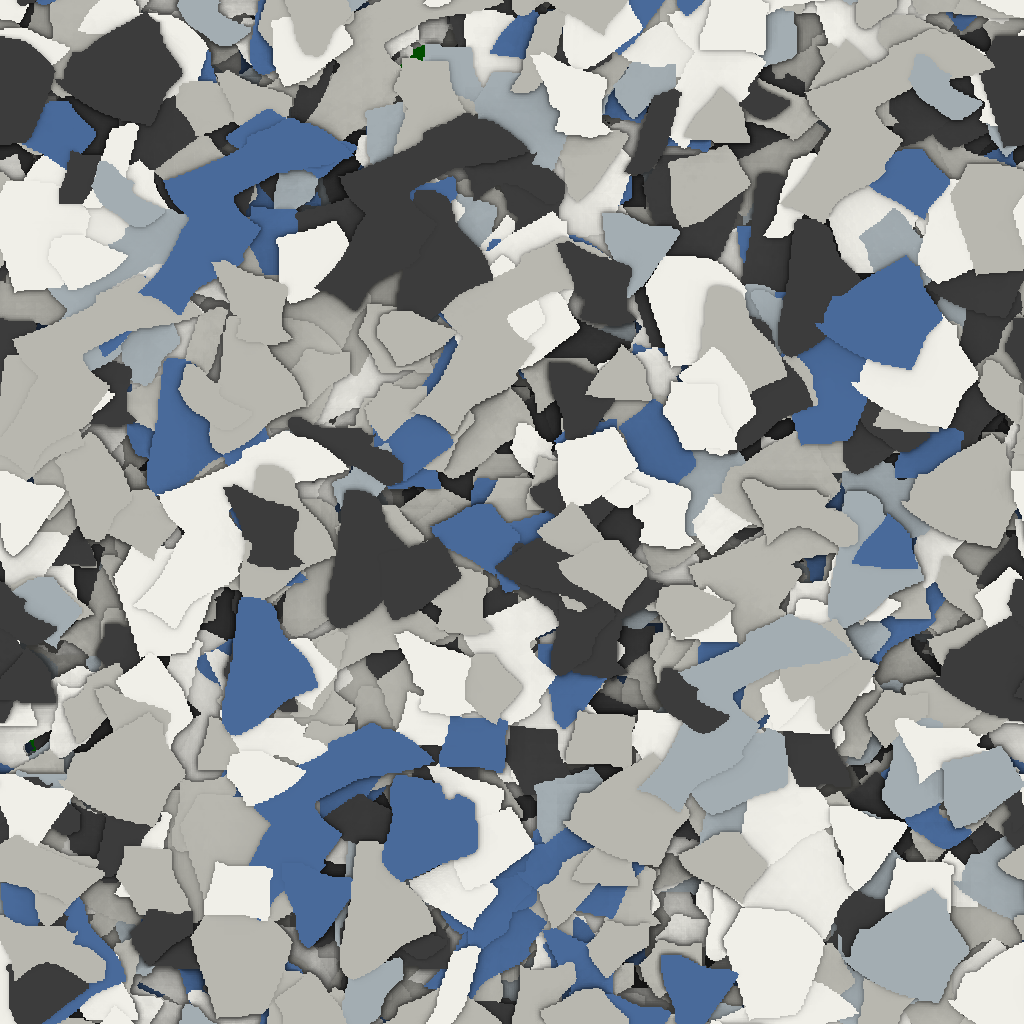
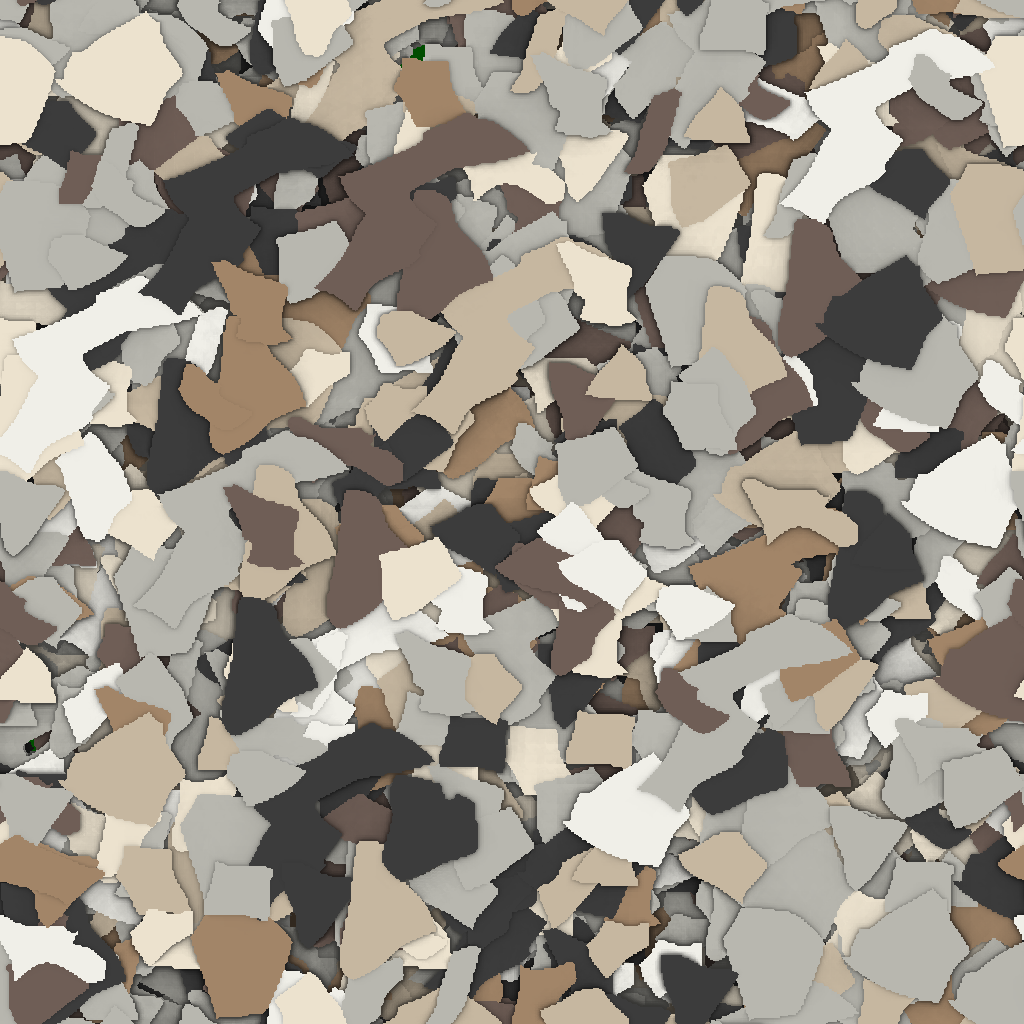
The flake itself is a 100 percent vinyl chip from Torginol, which is chemically inert and UV stable. Once it is embedded in your 100 percent solids epoxy basecoat and sealed under 4 to 6 mils of polyaspartic, the chip cannot oxidize, fade, or chip out under normal conditions. The clear coat above the flake is the sacrificial layer. That coat takes every tire scuff, every dragged toolbox, every dropped wrench, and every cleaning chemical. So the maintenance cycle is really a clear coat cycle, not a floor replacement cycle.
Real World Re-Coat Timelines
Your re-coat interval depends almost entirely on how the floor is used. Here is what we see from customer installs going back to 2007.
- Daily driver, two cars, hot tire pickup: 7 to 9 years before a refresh is worth doing.
- Show garage or hobby shop, low traffic: 12 to 15 years, sometimes longer.
- Commercial shop, lifts, welders, sliding tool chests: 4 to 6 years.
- Basement workout or kid play space: 10 to 12 years.
- Outdoor patio with UV exposure: 5 to 7 years even with UV-stable polyaspartic.
Heat is the second variable. A garage in Phoenix with a south-facing door takes more abuse than the same install in Minneapolis. Hot tire pickup, the rubber transfer ring around where your tires sit, is the early warning sign on a tired topcoat.
How to Tell the Topcoat Is Done
You do not need a contractor to inspect this. Walk the floor in good light and look for these tells.
- Sheen has gone from glossy to matte in tire paths, even after a deep clean.
- Fine surface scratches catch the light at low angles.
- Water no longer beads. It spreads flat or soaks the surface a little.
- Color of the flake looks slightly faded or chalky in high-traffic zones.
- The floor feels grippy or rough in spots where it used to feel slick.
If three or more of those show up, you are inside the refresh window. If you see actual flake exposed, with chips lifting or basecoat showing through, you missed the window by a year or two and the prep gets harder.
What a Refresh Coat Actually Costs
This is the part most homeowners get wrong. They assume a re-coat means a full strip and reinstall. It does not. A refresh is one clear coat over a cleaned, lightly abraded surface. For a typical 2-car garage of around 400 sq ft, the math is straightforward.
- One gallon of polyaspartic clear: $130 to $180.
- Diamond grinding pad for a buffer or hand sander: $30 to $50.
- Cleaner and degreaser: $20.
- Roller covers, tray, and tape: $25.
You are looking at $200 to $275 in materials for a DIY refresh, versus $1,200 to $2,000 for a contractor. The work itself is about 4 hours of prep and 2 hours of rolling. A full rip and reinstall would be 10 to 15 times that cost, and it is almost never necessary if you stay on top of the topcoat cycle.
The Right Way to Refresh a Flake Floor
The biggest mistake is rolling a new clear coat over a dirty or glossy old coat. The new resin will not bond to a sealed, contaminated surface, and you will get fisheyes, peeling, or a chalky haze inside 6 months. Do it in this order.
- Strip every tire mark, oil spot, and silicone residue. Use a strong degreaser, not just soap. Let it dwell 10 minutes.
- Rinse, then dry the floor fully. Any trapped moisture will fog the new coat.
- Abrade the entire surface. A 120 grit screen on a buffer, or hand sanding with 80 to 120 grit, knocks down the old gloss so the new resin grips.
- Vacuum and wipe with denatured alcohol. No dust, no fingerprints.
- Roll one even clear coat at 4 to 6 mils. Polyaspartic gives you about 25 to 40 minutes of pot life, so stage the floor before you mix.
- Stay off for 24 hours, no vehicles for 72 hours. Full cure is around 5 to 7 days.
One refresh coat usually buys you another 7 to 10 years before you have to do it again. Most floors will go through 3 or 4 refresh cycles before any flake replacement is needed, which means a quality install can realistically last 35 to 45 years.
When a Full Reinstall Actually Makes Sense
There are only three situations where you should pull up an old flake floor and start over. First, if the basecoat has lifted from the concrete, usually because of moisture pressure from below or skipped prep on the original install. Second, if you want to change colors and the old floor cannot be hidden under a new flake layer. Third, if you have deep gouges or impact damage that go past the topcoat into the resin itself. Everything else is a refresh, not a rebuild.
If you are picking flake for a new install or planning a color change, the Amazing Blends lineup is the line we recommend most often for resale and long term wear, because the chip mixes hide minor scuffs better than a single solid color.
Habits That Extend the Refresh Interval
Small maintenance habits stretch the topcoat lifespan by years. None of these add real time to your week, but together they push the average 8-year refresh out to 11 or 12 years.
- Dust mop weekly. Sand and grit act as abrasive on the topcoat. Removing it before tires grind it in is the single highest-value habit.
- Soft mat under the parked tire position. A cheap 3 ft by 4 ft rubber mat under each parked tire blocks hot tire pickup entirely.
- Clean oil spots within 24 hours. Polyaspartic resists oil but extended dwell darkens the surface.
- Avoid harsh solvents. Brake cleaner, acetone, and paint thinner all soften the topcoat over time. Neutral cleaners are fine forever.
- Slide felt pads under tool chests and rolling cabinets. Casters are the second most common source of scratching after tires.
- Squeegee water off the floor after washing the car. Standing water is fine for hours but slows the surface from drying evenly.
A homeowner who follows even three of those habits will get noticeably more life out of the topcoat than one who treats the floor like sealed concrete.
A flake floor is one of the few finishes in a house that gets better with planned maintenance instead of replacement. Pick the right topcoat at install, watch the wear signs, and budget one weekend per decade. That is the entire cost of ownership. Compared to a $4 to $6 per sq ft refinish for hardwood every 7 years, or full tile replacement at year 15, a flake floor on a planned refresh cycle is the cheapest premium surface per year of service in any house. The trick is treating the topcoat as the consumable and the flake layer as the permanent finish, not the other way around.