Road salt does not chemically damage a properly cured epoxy or polyaspartic garage floor. The damage comes from the salt brine: tracked-in liquid water mixed with calcium chloride or sodium chloride that sits on the floor, freezes in micro-cracks, wedges open the topcoat, and corrodes any exposed concrete underneath. The protocol is simple: squeegee melt water within 12 hours of parking, rinse the floor monthly with warm water and a pH-neutral cleaner, and use rubber tire mats at parking spots from November through March. Do that and a flake floor will outlast 20 winters.
What salt actually does to a coated floor
Three separate processes, all happening at once when wet tires roll onto the floor:
- Brine retention. Calcium chloride is hygroscopic, meaning it pulls moisture out of the air. Once tracked in, it does not dry out the way plain water does. The brine sits and sits, slowly working into any flaw in the topcoat.
- Freeze-thaw wedging. If the brine seeps into a hairline crack or a missed seam, then refreezes overnight, the ice expansion wedges the crack open another 0.01 to 0.05 mm. Repeat 30 times in a winter and you have a visible failure point.
- Substrate corrosion. If the brine reaches the concrete (through a peel, edge, or expansion joint), it attacks the cement matrix and can corrode rebar. This is a 5 to 10 year process, but it accelerates once it starts.
Cured polyaspartic is essentially impervious to chloride brine in short contact. Standard 100% solids epoxy is also resistant. The danger zone is at edges, seams, control joints, and any small chip or crack in the topcoat.
The winter maintenance protocol
This is what professional install crews tell their customers, and it works:
- Squeegee within 12 hours of parking wet. Use a 24 inch foam-blade squeegee to push melt water out the garage door. A 2-car garage takes 90 seconds. Do this every time you park after driving in slush or after a snow event.
- Monthly winter rinse. Once per month from November through March, mop the floor with warm water and a pH-neutral cleaner (Simple Green Original at 1 oz per gallon). Rinse with clean water. This pulls accumulated chloride out of the texture before it concentrates.
- Tire mats at parking spots. Rubber tire trays sized 18 inches by 24 inches per tire (about $30 to $50 per pair) catch 90% of brine drip. Park on them, let the snow melt, and squeegee the trays separately. The trays carry the salt, not your floor.
- Inspect edges and joints in March. When winter ends, walk the perimeter and any expansion joints. Look for tiny lifting at edges, white efflorescence (salt crystallizing through), or peeling near the garage door threshold. Spot-repair before the next freeze cycle.
- Topcoat refresh every 7 to 10 years in heavy salt regions. Scuff sand with 120 grit, vacuum, and roll a fresh polyaspartic at 4 to 6 mils. Restores the seal at all the micro-wear spots that accumulate from snow scoops and shovels.
The garage door threshold and salt types
90% of salt damage on garage floors starts at the threshold (the strip where the floor meets the driveway). Why:
- Tires drag wet snow over this strip every time you drive in or out.
- The seal between concrete and the door track is often a weak point in the coating.
- Temperature swings here are the biggest in the garage (the door opens to outside cold).
- Pressure-washing slush off the driveway sends spray under the door onto this strip.
- Snow piled against the closed door slowly melts onto this band and pools.
If you are coating a floor from scratch in a salt-belt state, treat the threshold like a chemical containment zone. Diamond grind 12 inches into the garage from the threshold, prime with a moisture-tolerant epoxy primer, broadcast heavy flake to refusal, and finish with two coats of polyaspartic instead of one. Material cost adds about $40 to the project. Failure rate at the threshold drops by an order of magnitude.
Most municipalities use a mix of deicers. Their behavior on your floor:
- Sodium chloride (rock salt): dries to a white crystalline residue. Easier to sweep up. Less hygroscopic, so it draws less ambient moisture. Less corrosive to coatings.
- Calcium chloride: stays liquid much longer because it pulls moisture from humid air. Harder to clean. More corrosive to concrete (it reacts with calcium hydroxide in the cement). Generally worse for long-term floor health.
- Magnesium chloride: common in the Mountain West. Behaves like calcium chloride but slightly less aggressive.
- Beet juice or organic deicer blends: increasingly common. Sticky residue, harder to rinse off, but less corrosive to coatings. Mop with warm water within 24 hours.
- Pre-treatment brine sprays: sticky residue that dries on the road and gets picked up by tires. Hose your tires off in the driveway before parking, and use the tire mats.
You cannot control what the road crews use, so the protocol is the same regardless. The squeegee and the monthly rinse handle all of them.
Signs of salt damage to watch for
Catch problems early. Inspect monthly in winter:
- White haze near the garage door. Salt residue or amine blush re-emerging from old curing chemistry. Mop with warm water and rinse. If it returns within a week, it is efflorescence pushing through a thin spot in the topcoat.
- Hairline cracks running parallel to expansion joints. The first sign of freeze-thaw wedging. Mark them, watch them, refresh the topcoat over them in spring.
- Lifting or curling at edges. Edge failure, usually salt brine getting under the coating. Spot-repair immediately by cutting back the loose section, grinding, priming, re-flaking, and recoating the edge zone.
- Pinholes appearing where there were none. Moisture vapor from below, often caused by salt-driven freeze-thaw cracking the slab itself. More serious. Get a moisture test done.
- Yellow or brown staining around the threshold. Iron staining from rust in road grit or rebar corrosion below. Phosphoric acid rust remover lifts it.
On a properly installed flake system with polyaspartic topcoat, salt will not eat through to the concrete in any reasonable timeframe. The topcoat is impermeable to chloride brine and the flake layer plus primer is 15 to 20 mils thick. Salt would need to dissolve through the equivalent of a credit card to reach the concrete, and the chemistry does not work for that. On a thin paint-style epoxy (the $89 big-box kits at 4 to 6 mil total thickness), yes, eventually. Those kits are 3 to 5 year systems in salt country, not 20 year systems.
Build the floor right for salt country
If you live north of I-40 or anywhere with regular winter road treatment, build the floor for the climate, not against it:
- Diamond grind to CSP 3. No shortcuts.
- Moisture-tolerant epoxy primer at 8 to 10 mils. Look for products rated for 12 to 15 lb MVT.
- Full-refusal flake broadcast. Heavy flake hides micro-issues and gives the topcoat more surface area to mechanically lock into. A 40 lb box covers ~160 sq ft full refusal.
- Polyaspartic topcoat at 4 to 6 mils, plus a second coat at the threshold. Polyaspartic handles temperature swings and chloride exposure dramatically better than straight epoxy.
- Caulk all expansion joints with a flexible polyurethane sealant. Stops brine from reaching the slab through joint failures.
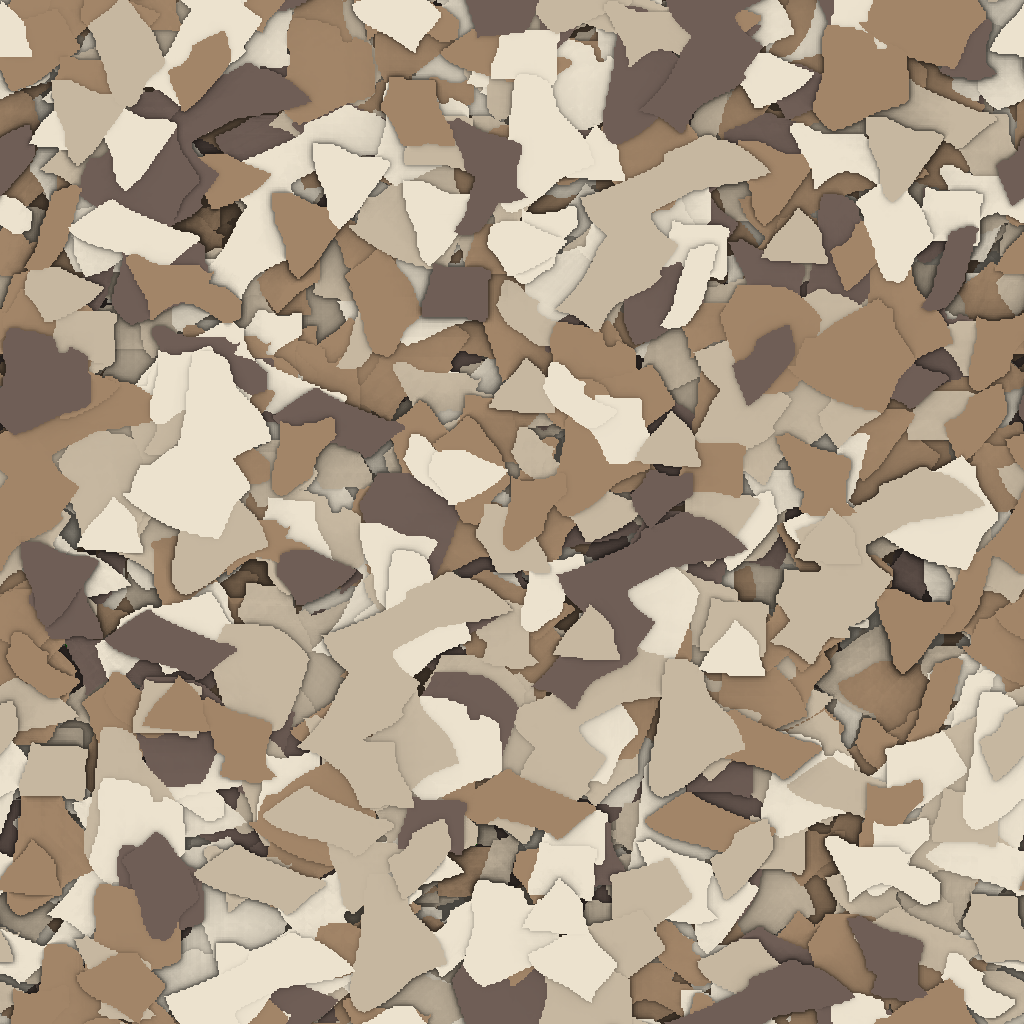
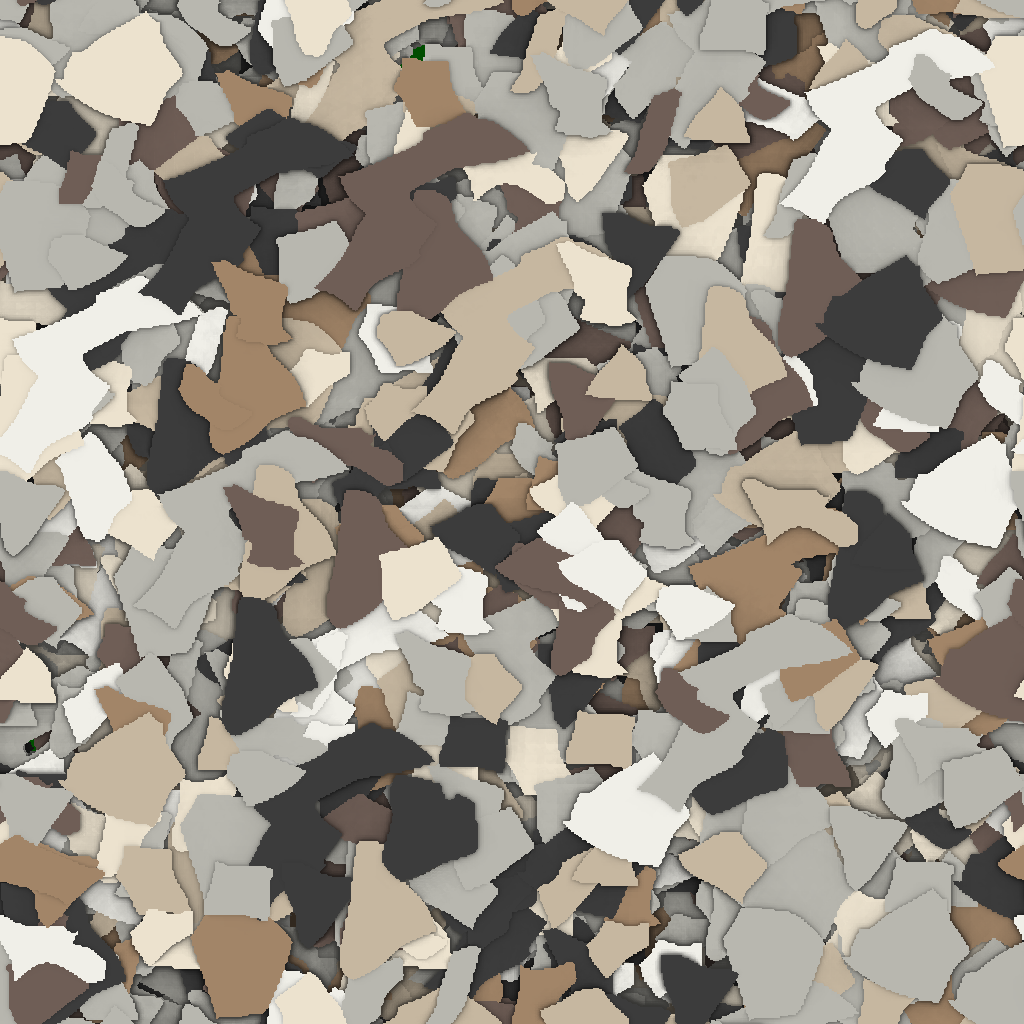
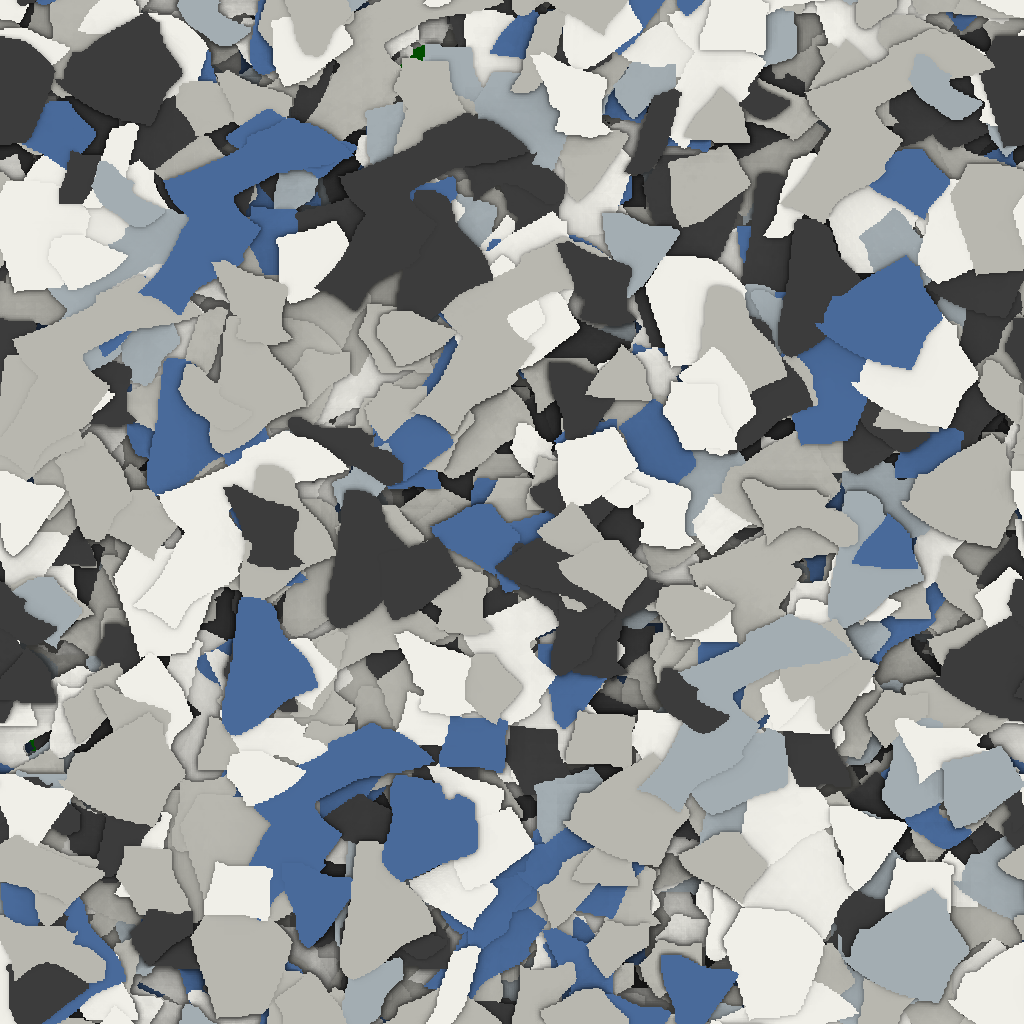
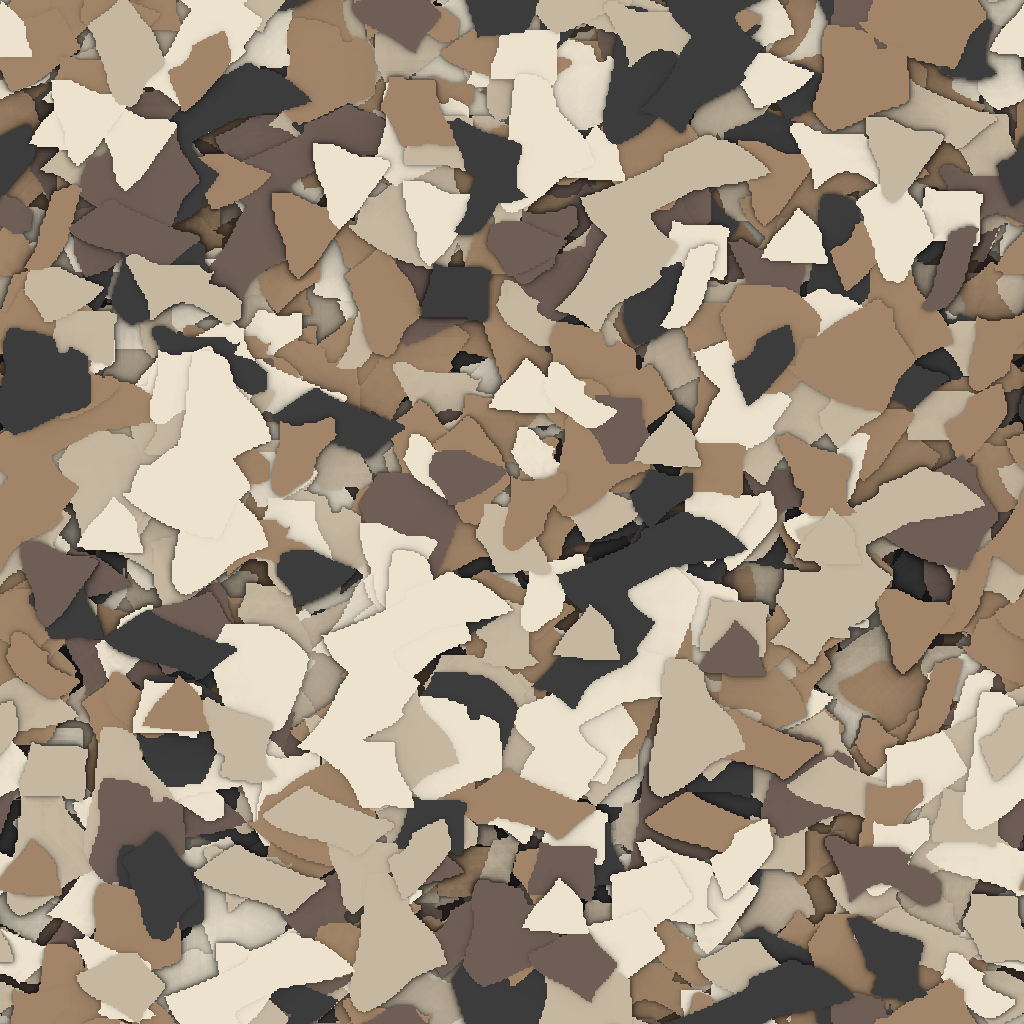
This stack runs $1.20 to $1.90 per sq ft in materials for a 2-car garage and lasts 20+ years even in heavy winter use. For salt-country installs, neutral flake blends that hide road dust and salt residue between cleanings are the practical choice. Stonehenge, Sealmasters, and Gray Blend from the Amazing Blends mask everyday winter grime better than dark or bright colors. Browse the full flake catalog and pick a blend that fits your light level and aesthetic.10 year warranty.