Your new epoxy floor is turning yellow because standard bisphenol-A (BPA) epoxy resin is not UV stable. Once direct or indirect sunlight hits the surface, the resin oxidizes and ambers, often within 30 to 90 days. The fix is to topcoat the yellowed epoxy with an aliphatic polyaspartic or polyurethane clear coat, which blocks the UV reaction and locks the floor at its current shade. If the yellowing happened before any sunlight exposure, the cause is a bad mix ratio, expired resin, or a contaminated curing agent, and that floor will need to be ground out.
How UV light breaks down epoxy resin
Epoxy is a thermoset plastic. The aromatic rings inside BPA epoxy absorb UV-A and UV-B photons, which kicks off oxidation in the polymer chain. The byproducts are colored compounds called chromophores that the human eye reads as yellow, amber, or brown. This is chemistry, not poor workmanship. Even a $300 per gallon premium epoxy from a name brand will yellow if it sees sun. The clue is location: if your floor is yellower near the garage door and lighter against the back wall, UV is the cause.
The reaction accelerates above 80°F and in floors that get reflected sunlight off snow or a light driveway. North-facing garages with indirect light still yellow, just slower. Expect a noticeable shift in 6 to 12 months of indirect exposure, and a heavy amber tone within 18 months of direct afternoon sun. Fluorescent and LED shop lights produce trace UV as well; garages lit 12+ hours a day with bare-tube fluorescents can yellow even without window light, just at 24 to 36 months to visible.
Other reasons epoxy ambers besides UV
UV is the most common cause, but not the only one:
- Bad mix ratio. Too much Part B (hardener) leaves unreacted amine on the surface that yellows as it oxidizes. Always mix at the exact ratio on the can, by volume, with a drill paddle for 3 full minutes.
- Expired resin. Epoxy resin has a 12-month shelf life from the manufacture date stamped on the can. Old Part A turns straw colored in the can and will pour yellow on day one.
- Hot pour. Mixing a full 3 gallon kit in one bucket lets the exotherm reaction spike above 140°F. That heat darkens the resin before you even roll it.
- Cigarette smoke and exhaust. Tar particulates settle on a glossy floor and stain it amber. Wipe with denatured alcohol monthly if you smoke in the shop or run a vehicle inside.
- Cheap solvent topcoats. Some single-part “clear sealers” use rosin esters that yellow within weeks.
- Wrong curing agent. Polyamide hardeners yellow faster than polyamine hardeners. The cheaper big-box kits often use polyamides for cost reasons.
Test which cause applies, then take action
Move a tool chest or storage bin that has been sitting on the floor for 60+ days. If the area underneath is noticeably lighter than the exposed floor, UV is the culprit. If the floor is uniformly yellow including under covered areas, you are looking at a chemistry problem (mix ratio, expired material, or solvent contamination from the slab).
Wipe a 12 inch square with denatured alcohol on a white rag. If the rag picks up yellow residue, you have surface contamination, not bulk discoloration. Most of the time the answer is a stubborn film of tire plasticizer, exhaust, or smoke residue that scrubs off with acetone and a red Scotch-Brite pad. Photograph the floor in the same lighting weekly so the trend is documented within 30 days.
Once epoxy has yellowed from UV, the color shift is permanent in that layer. You cannot bleach it back. Your options:
- Apply a polyaspartic topcoat. Polyaspartic is aliphatic, meaning it has no UV-reactive aromatic rings. It cures in 2 to 4 hours, accepts foot traffic in 6 hours, and locks the existing yellow at its current shade. Expect $1.50 to $2.50 per square foot in material.
- Apply a 2K polyurethane. Cheaper than polyaspartic ($0.80 to $1.20 per sq ft), but cure time is 12 to 24 hours. Less abrasion resistant than polyaspartic.
- Apply a moisture-cured urethane. Niche option, good for cold or humid garages. Smells strong during cure, needs serious ventilation.
- Grind and re-pour. If yellowing is severe or uneven, rent a 10 inch concrete grinder ($85 to $120 a day) with a 30 grit metal-bond diamond, profile the slab back to CSP 3, and start over with a flake system topped by polyaspartic from day one.
Prep before the topcoat matters. Scuff the yellowed epoxy with 120 grit on a buffer or pole sander, vacuum twice, wipe with denatured alcohol, and recoat within 24 hours of scuffing so dust does not settle back into the profile. Skip the scuff and the new clear will peel at the first hot-tire pass.
Build the floor right the first time
If you are still in the planning stage, skip the UV problem entirely. The standard high-performance garage floor stack that will not yellow is:
- Coat 1: 100% solids epoxy primer at 8 to 10 mils, broadcast to refusal with decorative flake.
- Coat 2: Polyaspartic clear topcoat at 4 to 6 mils.
Decorative flake hides minor yellowing of the primer because the flake covers 95%+ of the surface. The visible layer is the polyaspartic, which stays clear for 15+ years even in a south-facing garage. This is why most pro installers stopped using straight epoxy as a topcoat around 2015.
The truth about “UV stable epoxy” marketing
A few manufacturers market cycloaliphatic epoxy as UV resistant. It is better than BPA epoxy but still ambers about 40% as fast. The cost premium (often 2x to 3x standard epoxy) is not worth it when polyaspartic costs about the same per gallon and beats every spec. If a sales rep is pushing “UV stable epoxy” instead of polyaspartic, they are either out of stock or working on margin.
True non-yellowing performance only comes from aliphatic chemistry. The marketing terms to look for on the data sheet are aliphatic polyaspartic, aliphatic polyurethane, or aliphatic polyurea. If any of those words appear, the topcoat will not yellow. If the data sheet calls itself “epoxy” but promises UV stability, read the chemistry section, not the headline.
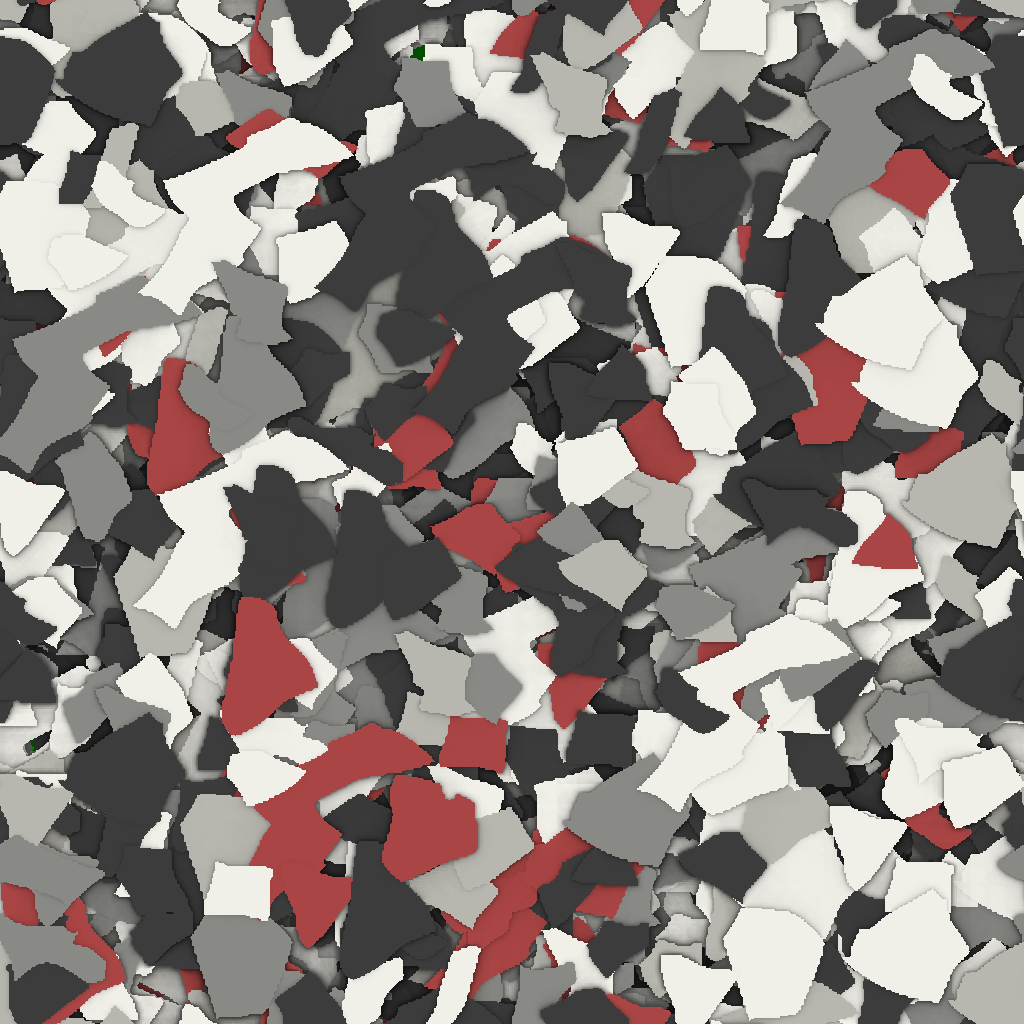
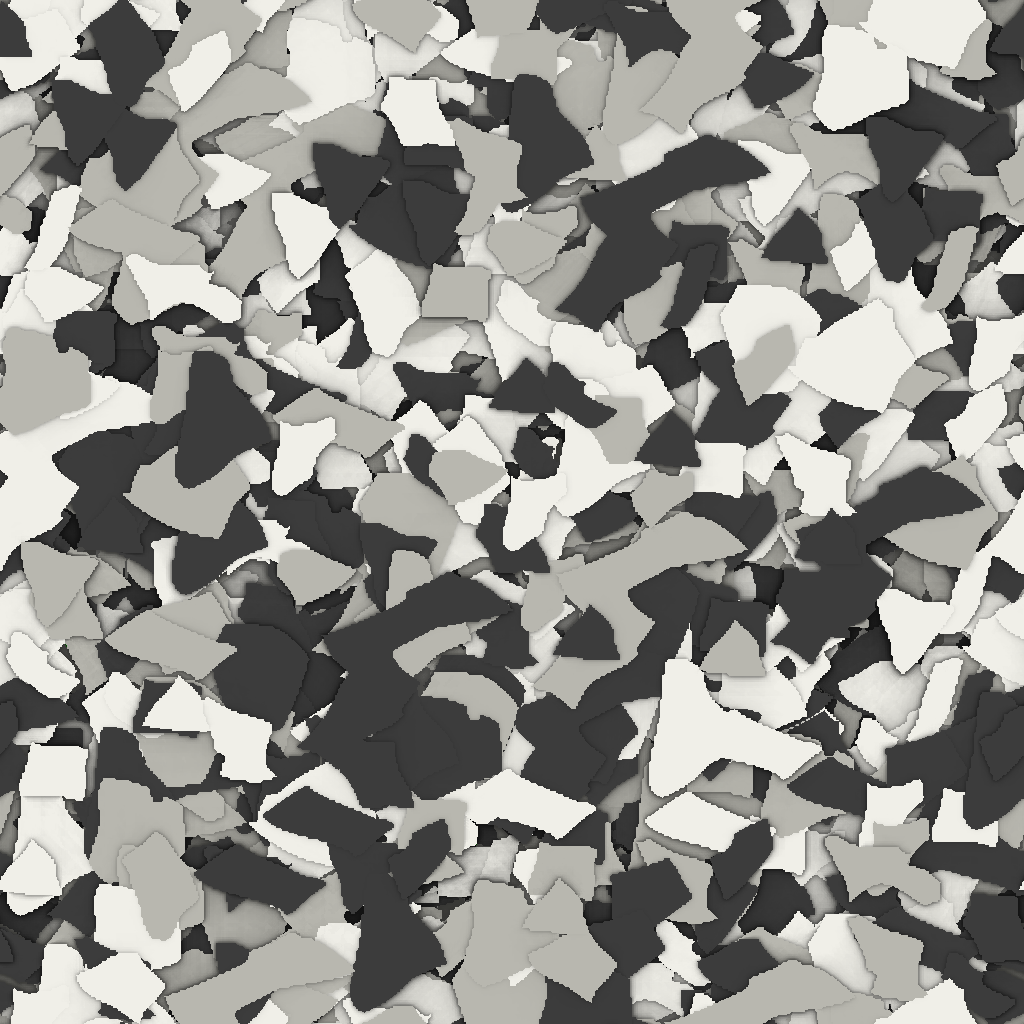
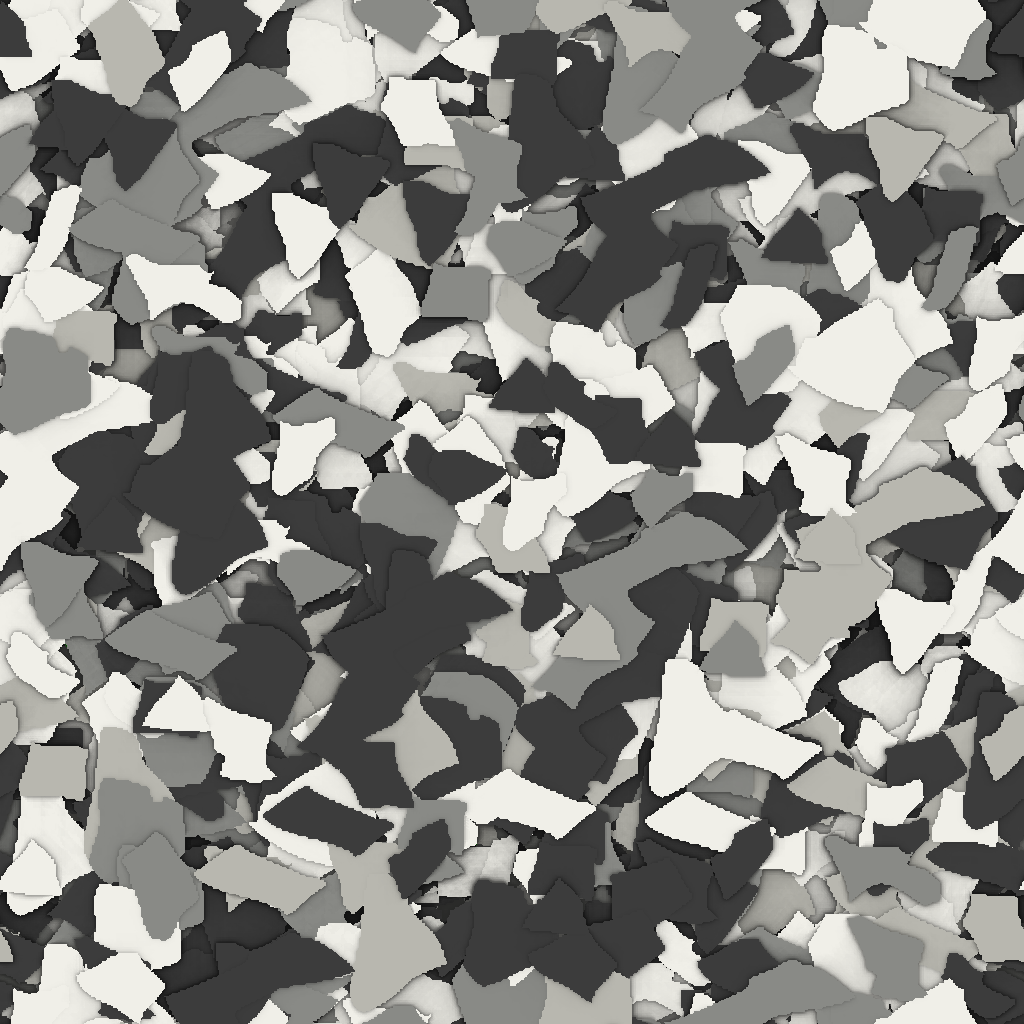
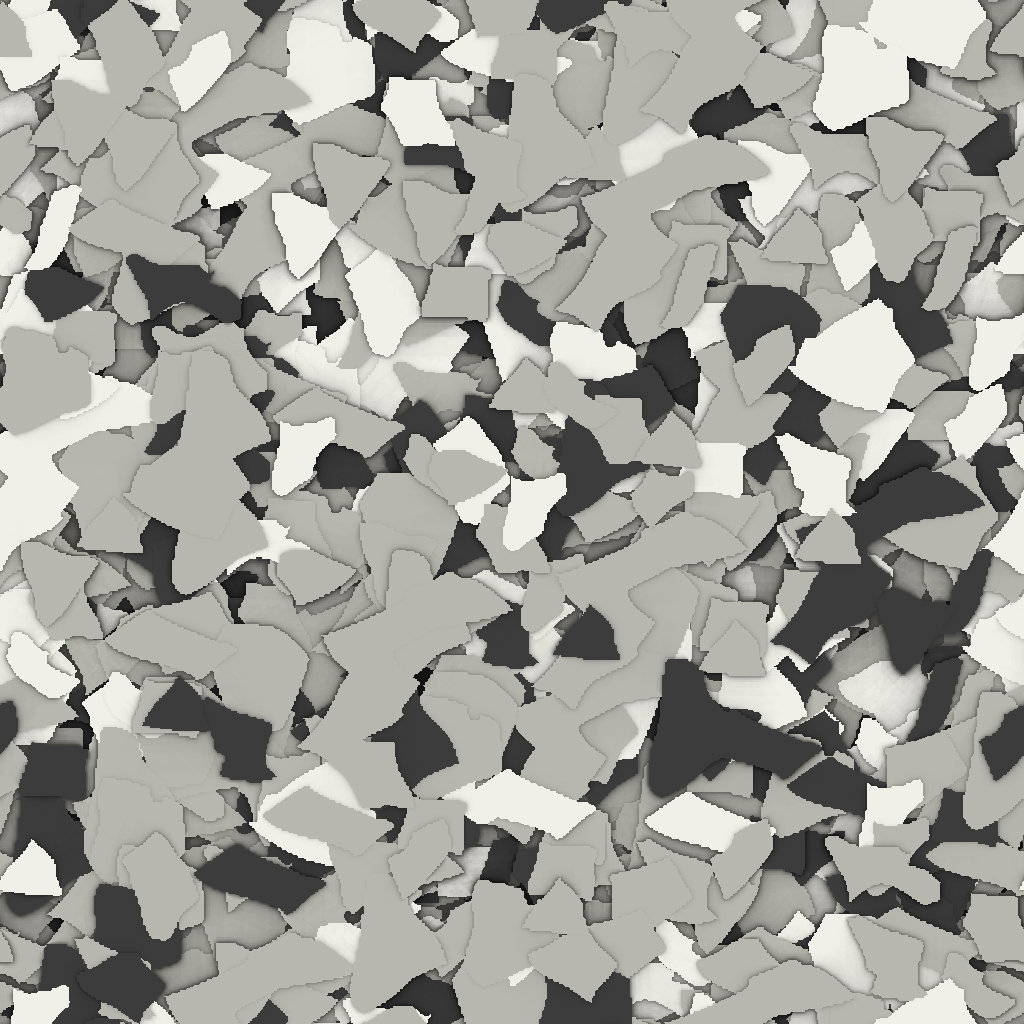
Decorative flake also masks yellowing visually. A neutral blend like Stonehenge or Sealmasters from the Amazing Blends line hides epoxy color shift far better than a solid charcoal pour, because your eye reads the variegated chips, not the resin underneath. Solid colors show every degree of amber shift.
The weekend fix and what to order
If your floor is already yellow and you want to lock it in this weekend, pick up polyaspartic and the right flake blend, prep tonight, and roll tomorrow morning before the slab hits 75°F. Check the weather first: humidity under 70% and a 24 hour window of dry slab temperature between 55°F and 85°F. Vacuum, scuff sand the existing yellowed surface with 120 grit, vacuum again, alcohol wipe, then roll. The whole job for a 2-car garage takes 4 to 6 hours of active work.
Browse flake colors and box sizes and order a 40 lb box (covers ~400 sq ft decorative) so you have headroom for the recoat plus extra for future spot repairs.