Installing epoxy over an old painted garage floor is almost always a bad idea, and in most cases you need to remove the paint first. Latex and oil based floor paints are not designed to bond with high solids epoxy, and the new coating will only stick as well as the weakest layer below it. If the paint is failing in any spot, the epoxy will peel with it. The only safe install over paint is a small, fully bonded area you have tested for adhesion, and even then a full strip is the more reliable path.
Why Paint Is a Poor Base for Epoxy
Garage floor paint, including most porch and floor latex products from the big box stores, sits on top of the slab as a thin film, usually 2 to 4 mils thick. A real epoxy flake system runs 12 to 20 mils once the basecoat, broadcast flake, and clear topcoat are cured. That extra mass plus the shrink and pull of curing epoxy puts more stress on the paint film than it can handle. Hot tire pickup, where a warm tire lifts the coating off the floor in chunks, becomes almost guaranteed within the first summer.
The second issue is contamination. Paint absorbs oil, brake dust, salt, and tire plasticizers for years. Epoxy needs a clean, slightly profiled surface to grip. You cannot grind a painted floor the way you would grind bare concrete without tearing the paint into a smeared mess that loads the diamond tooling. The third issue is film build. Two layers of dissimilar coatings shrink at different rates and respond to temperature swings differently. Garages move through 50 to 80 degree F seasonal swings, and the paint plus epoxy stack flexes against itself every time.
The 24 Hour Adhesion Test
Before you make any decision, test the existing paint. This takes 10 minutes and saves you from a $400 mistake.
- Pick three spots: near the door, in a tire path, and in a corner the car never touches.
- Score a 1 inch X into the paint with a utility knife, cutting down to concrete.
- Press a 2 inch strip of duct tape firmly over each X, then rip it off in one sharp pull.
- If paint comes up on the tape in any of the three spots, you have to strip everything.
- If the tape comes off clean, scuff a 12 by 12 inch section with 60 grit, wipe with acetone, brush on a small batch of your epoxy, and wait 24 hours. Try to scrape it off with a 5 in 1 tool.
If the test epoxy chips, flakes, or lifts at the edge, the paint has to go. If it stays locked down and tears the paint with it when you really dig, you have a borderline case where a full diamond grind followed by a bonding primer is possible, but not ideal. Repeat the test in all three spots. One pass test is not enough. Tire path failure alone is enough to disqualify the floor for a coat over approach, because tires are where 80% of coating failures start.
How to Remove the Old Paint
For most one or two car garages, mechanical removal is faster and cheaper than chemical strippers. A walk behind diamond grinder with a 7 or 10 inch head, rented for about $90 a day, will pull paint off 400 sq ft in 2 to 4 hours. Pair it with a HEPA shop vac or a dust shroud, because dry grinding paint without dust control is a real health risk, especially on older floors that may have lead based paint from pre 1978.
Use a 16 to 30 grit metal bond diamond for paint and thin coatings. Finer grits glaze over and burn. After the paint is off, switch to a 60 or 80 grit resin bond to bring the concrete to a CSP 2 to CSP 3 profile, which is the texture epoxy needs to bite. Hand grind the edges with a 4 inch angle grinder fitted with a diamond cup wheel, the walk behind cannot reach within 2 inches of any wall.
Chemical strippers (methylene chloride free) work for small areas under 100 sq ft, but they leave residue that has to be neutralized and rinsed, and you still need to grind afterward for profile. Skip shot blasting unless you are doing 1000 sq ft or more. The rental cost does not pencil out for a single garage. Acid etching is a no. Muriatic acid does not remove paint, it does not give you the right profile, and it leaves chloride contamination that will haunt the new coating.
When You Can Coat Over Paint (Rare Cases)
There are two scenarios where leaving the paint can work:
- Solid color, single thin coat, well bonded, less than 5 years old. Scuff with 60 grit, vacuum, wipe with denatured alcohol, and use a bonding primer designed for coated substrates. Do not use a standard 100% solids epoxy as the primer.
- Heavy duty industrial floor enamel that has not failed anywhere. Same prep. Still recommend an adhesion test patch.
In both cases, expect a 5 to 7 year service life instead of the 15 to 20 you get from bare concrete prep. The paint is the weak link, and at some point it gives up. Manufacturer warranties on flake systems typically void when installed over paint, so factor that in. The 10 year warranty most quality flake products carry assumes proper prep on bare or fully stripped concrete.
Cost Comparison: Strip vs Try to Coat
A typical 400 sq ft, two car garage runs like this. Strip and recoat: $90 grinder rental, $30 in diamonds, $40 in dust control, plus your time. Total prep cost around $160 before materials. Trying to coat over paint and having it fail: $250 to $400 in wasted epoxy and flake, plus you still have to grind it off later, which costs more because cured epoxy is harder on diamonds than paint ever was.
Add the failure cost over time. A coating that fails in year 3 instead of lasting 15 means you redo the project 5 times in the same window. At $500 each redo, that is $2500 instead of $500. The strip and proper prep approach is not just better in year one, it is dramatically cheaper over the life of the floor.
The math is clear. Spend the extra day on prep. The coating you put down on properly profiled bare concrete will last three times as long as anything you put over questionable paint, and the cost difference is under $200 on the front end.
What to Do Next
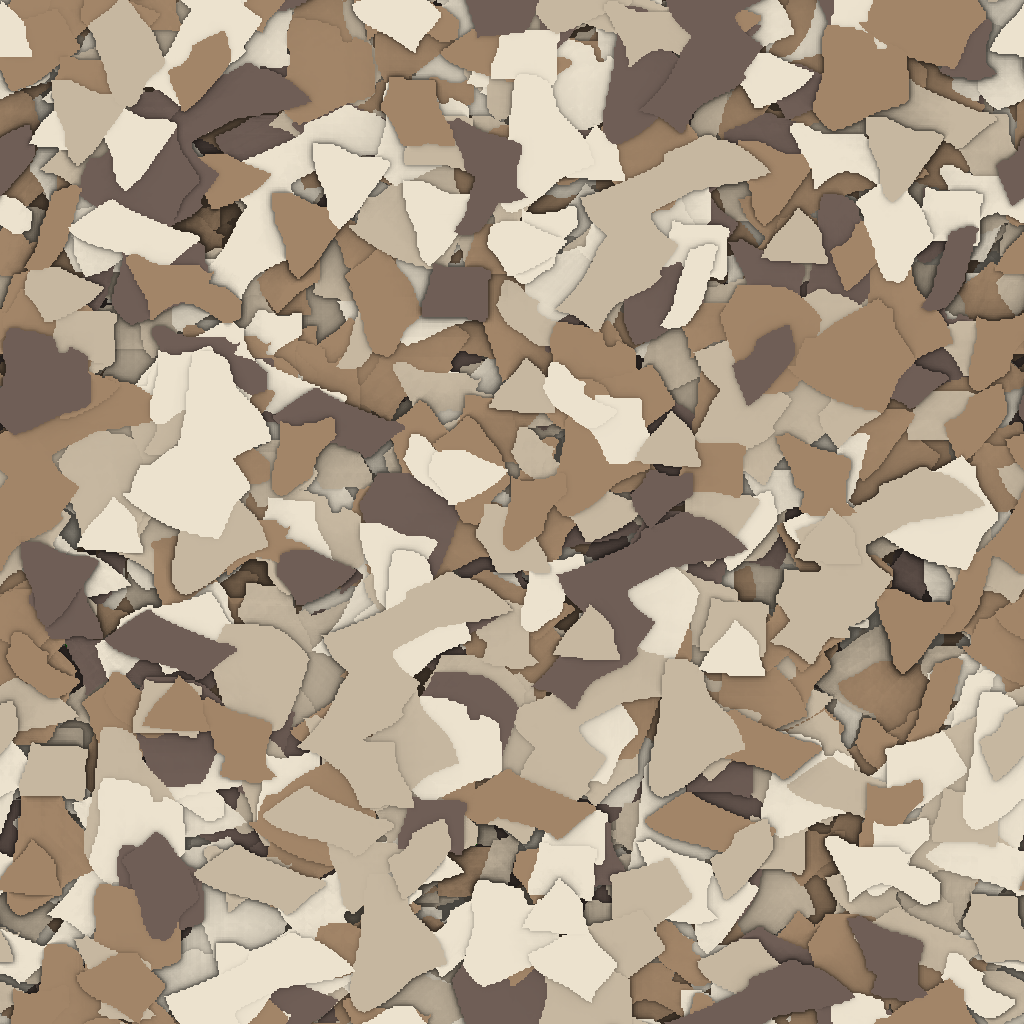
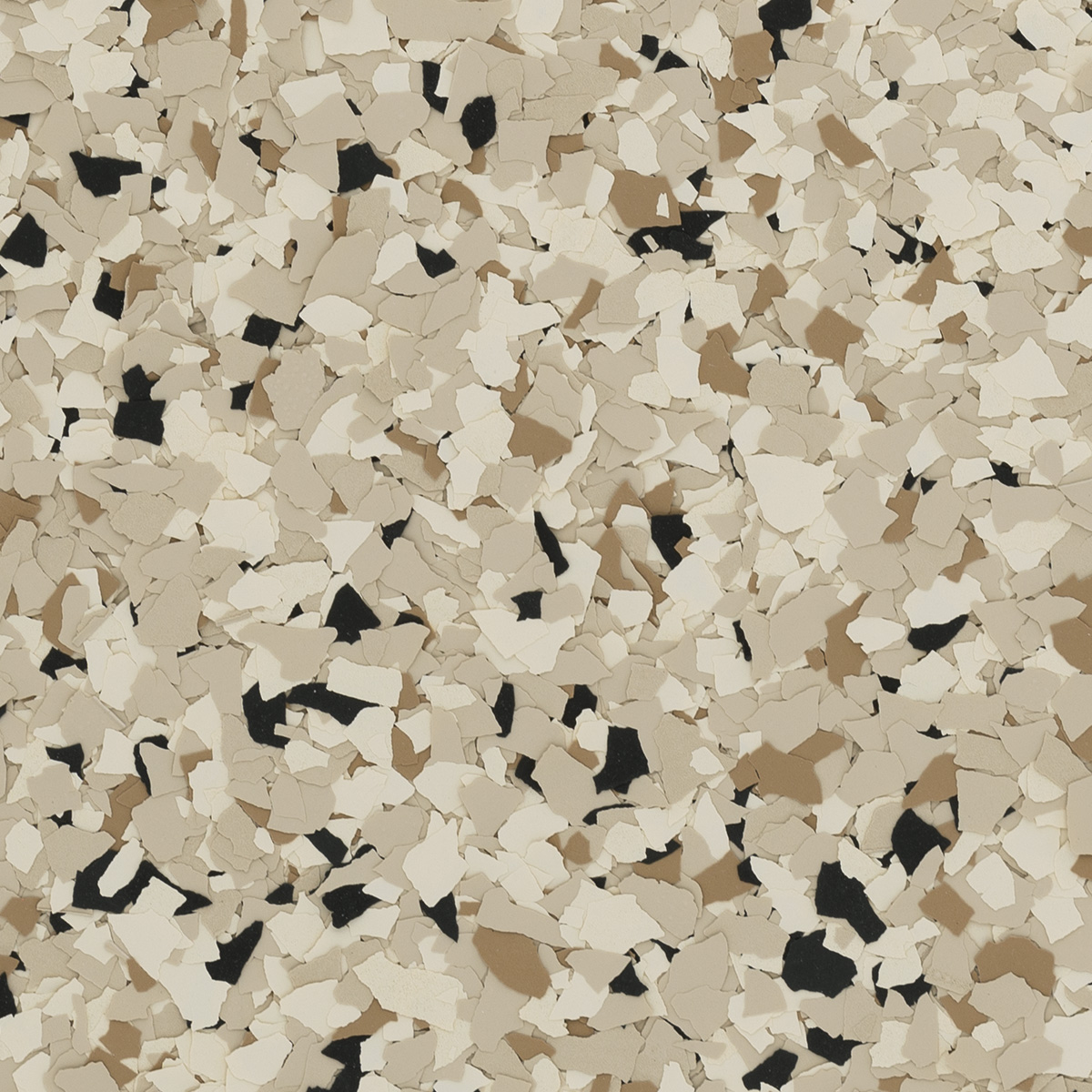
If your test came back clean and you want to move forward, browse the Amazing Blends flake collection to pick a color and order a 20 lb box to test on your prepped section before you commit the full floor. The 11 Amazing Blends average $108 for a 40 lb box, which covers about 400 sq ft at standard decorative broadcast. If you have to strip first, spend the weekend on the grinder, take photos of your CSP profile, and start with a clean slate. The coating will reward the prep, and the floor will outlast three sets of tires on whatever you park on it.