
Polyaspartic is technically a subset of polyurea, but the two products behave differently in practice. Pure polyurea cures in 5 to 15 minutes, has limited UV stability, and is typically reserved for industrial coatings. Polyaspartic cures in 4 to 24 hours depending on the resin, is fully UV stable, and is the right topcoat for almost every residential and light commercial garage floor flake system. If a salesperson is selling you polyurea over a flake floor, they usually mean polyaspartic. The label is loose in the industry.
The technical difference
Polyurea is a chemical class formed by reacting an isocyanate with an amine. The reaction is fast, sometimes under one minute, which is why pure polyurea is used for truck bed liners and sprayed industrial coatings. The fast cure makes it useless for hand applied floors because you cannot spread it before it sets.
Polyaspartic is a slower curing aliphatic polyurea. Chemists adjusted the amine to slow the reaction. The result is a coating that flows like a paint, levels like a varnish, cures hard like a polyurea, and stays clear under UV light. Almost every “polyurea” residential garage topcoat is actually polyaspartic by chemistry.
Cure time and pot life
Cure time is the most practical difference between the two:
- Pure polyurea: 5 to 15 minute set, full cure in 1 to 2 hours. Pot life is often under 5 minutes.
- Fast polyaspartic: 30 to 60 minute pot life, walk on in 4 to 8 hours, full cure in 24 hours.
- Standard polyaspartic: 60 to 90 minute pot life, walk on in 8 to 12 hours, full cure in 24 to 48 hours.
For a DIY install, a 90 minute pot life polyaspartic is the safe choice. It gives you enough time to roll out a 400 sq ft garage without panic. Faster resins are for experienced installers working in pairs.
UV stability
Pure polyurea yellows under sunlight. It can fade from clear to amber within a year if a garage door stays open or sun hits the floor through a window. Polyaspartic uses aliphatic chemistry that is fundamentally UV stable. A polyaspartic topcoat on a garage floor will hold its color for 10 to 15 years even with daily sun exposure. This is the single biggest reason polyaspartic became the residential standard.
Chemical and abrasion resistance
Both products are tough. Direct head to head:
- Hot tire pickup: Both excellent. No lifting if installed correctly.
- Oil resistance: Both excellent. Wipes clean.
- Brake fluid, gasoline: Both excellent.
- Battery acid: Polyaspartic slightly better, both will be damaged with prolonged exposure.
- Abrasion (Taber test): Polyurea slightly better at very high abrasion, polyaspartic better at typical residential abrasion.
- Impact (dropped tools): Polyaspartic slightly better due to more flex.
For a garage, the differences are too small to matter. Both will outlast the flake bond before the topcoat itself fails.
Cost difference
Polyaspartic typically runs $80 to $140 per gallon for a quality residential grade. Pure polyurea systems are usually only sold to commercial applicators in larger kits, with pricing closer to $100 to $180 per gallon plus specialized spray equipment. For a 400 sq ft garage at decorative broadcast, you need 1.5 gallons of polyaspartic, so material cost lands around $180 to $260. Pure polyurea for the same job is not really an option for a hand applied install.
When pure polyurea makes sense
Pure polyurea has three legitimate use cases on a floor system:
- As a flexible joint sealant in expansion joints before the main coating goes down.
- As a sprayed industrial topcoat for warehouses, manufacturing floors, and food processing where applicators are using plural component spray rigs.
- As a base coat under polyaspartic in some premium hybrid systems, where the fast cure lets installers complete a floor in 4 hours.
For a typical DIY or contractor installed garage floor with vinyl flake, none of these apply. Polyaspartic is the right tool.
When polyaspartic is the right call
Polyaspartic is the right topcoat for garage floor flake in essentially every scenario:
- UV exposed garages with open doors or windows
- Showrooms and commercial retail spaces
- Workshops with hot tire pickup, oil, and dropped tools
- DIY installs where pot life and forgiveness matter
- Cold garages where you need to apply between 35 and 50 degrees F. Many polyaspartics handle low temps better than epoxy.
The temperature range is worth highlighting. A quality polyaspartic can be applied between 35 and 110 degrees F, while 100% solids epoxy usually needs 55 degrees F minimum. For winter installs in unheated garages, polyaspartic over an epoxy base is the only reliable path.
Picking the right polyaspartic
Within polyaspartic, look for three specs on the data sheet:
- Solids content of 80% or higher. Lower solids means more shrinkage and a thinner final mil thickness.
- Pot life of at least 45 minutes for two person crews, 60 to 90 minutes for solo installs.
- Aliphatic chemistry confirmed, not aromatic. Aromatic resins yellow.
A two coat polyaspartic topcoat system on a flake floor delivers 12 to 18 mils of clear protection, which adds to the epoxy base for a total floor thickness of 25 to 35 mils. That is the right number for a residential garage.
Cold weather application: the polyaspartic advantage
One real edge polyaspartic has over standard epoxy is cold weather application. A quality polyaspartic cures down to 35 degrees F. Standard 100% solids epoxy needs 55 degrees F minimum. That gap matters for two reasons. First, garage installs in northern climates often happen in March, April, October, or November when daytime temperatures are 40 to 60 degrees F. Polyaspartic lets you work in those windows. Second, the topcoat needs to cure overnight, and unheated garages drop into the 30s after sunset. Polyaspartic keeps curing. Epoxy stalls.
If you must install in cold weather, sequence the system to use polyaspartic on both the primer and topcoat layers and skip the epoxy base entirely. Some manufacturers sell a polyaspartic system specifically for cold installs that uses a flexible polyaspartic base in place of epoxy. Performance is comparable for most residential garages.
Mixing and application tips that improve any polyaspartic install
A few small habits make polyaspartic installs go cleaner. First, mix only what you can apply in 30 minutes regardless of the data sheet pot life. The reaction speeds up once you mix part A and part B, and the last 10 percent of pot life is usually too thick to flow well. Second, use a low nap roller (1/4 inch to 3/8 inch) for the field and a brush only for inside corners. High nap rollers leave roller marks that show up on flake floors. Third, work in straight passes from one wall to the opposite wall, lapping back about 6 inches per pass. Stopping mid pass for a phone call leaves a noticeable line. Fourth, keep the room between 55 and 85 degrees F during application and for at least 8 hours after. Outside that range, cure goes weird and the topcoat can haze or stay tacky longer than expected.
Practical recommendation
Use 100% solids epoxy as the base, broadcast vinyl flake while wet, then top with a quality polyaspartic in two coats. Ignore the polyurea label unless you are running a commercial sprayed system. If a contractor pitches you a one day polyurea floor, ask for the technical data sheet. The actual resin will almost always say polyaspartic. The performance you actually want for a UV stable, repairable, residential flake floor is what polyaspartic delivers.
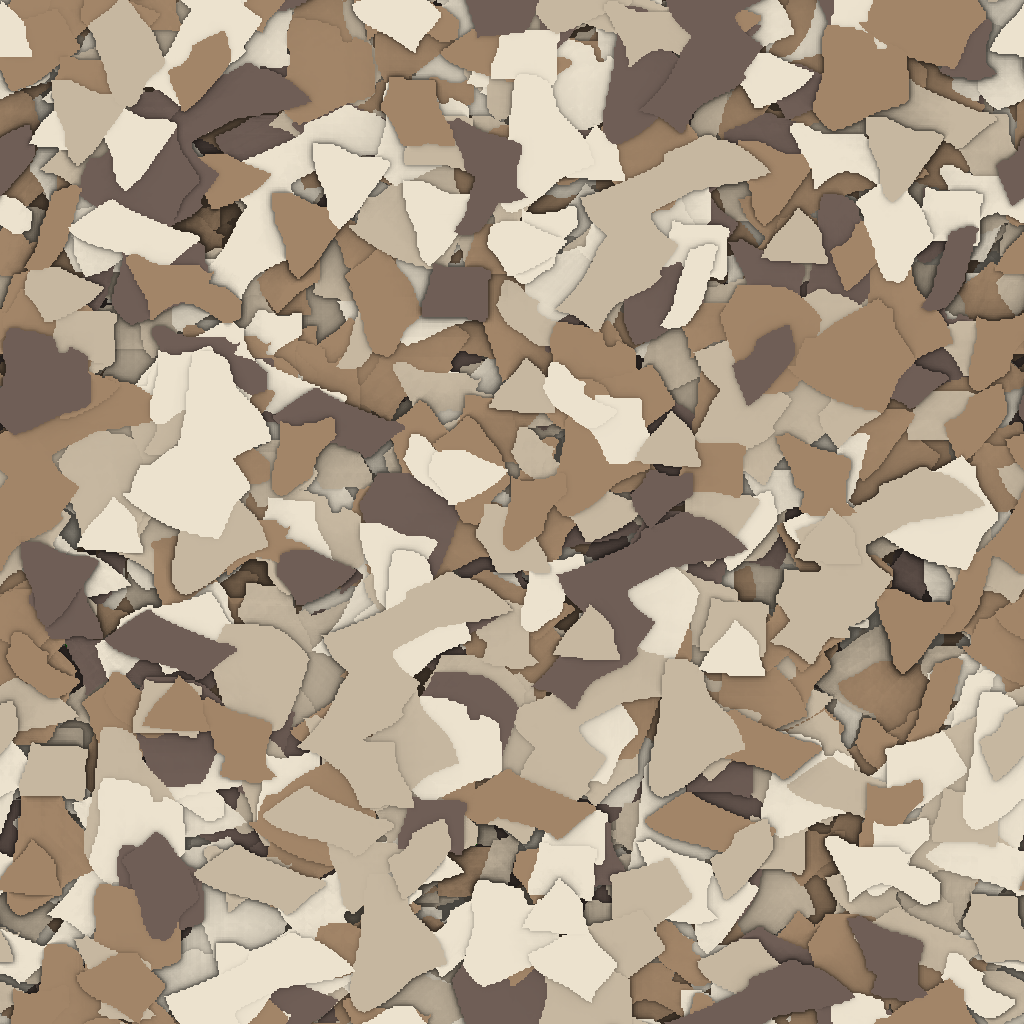
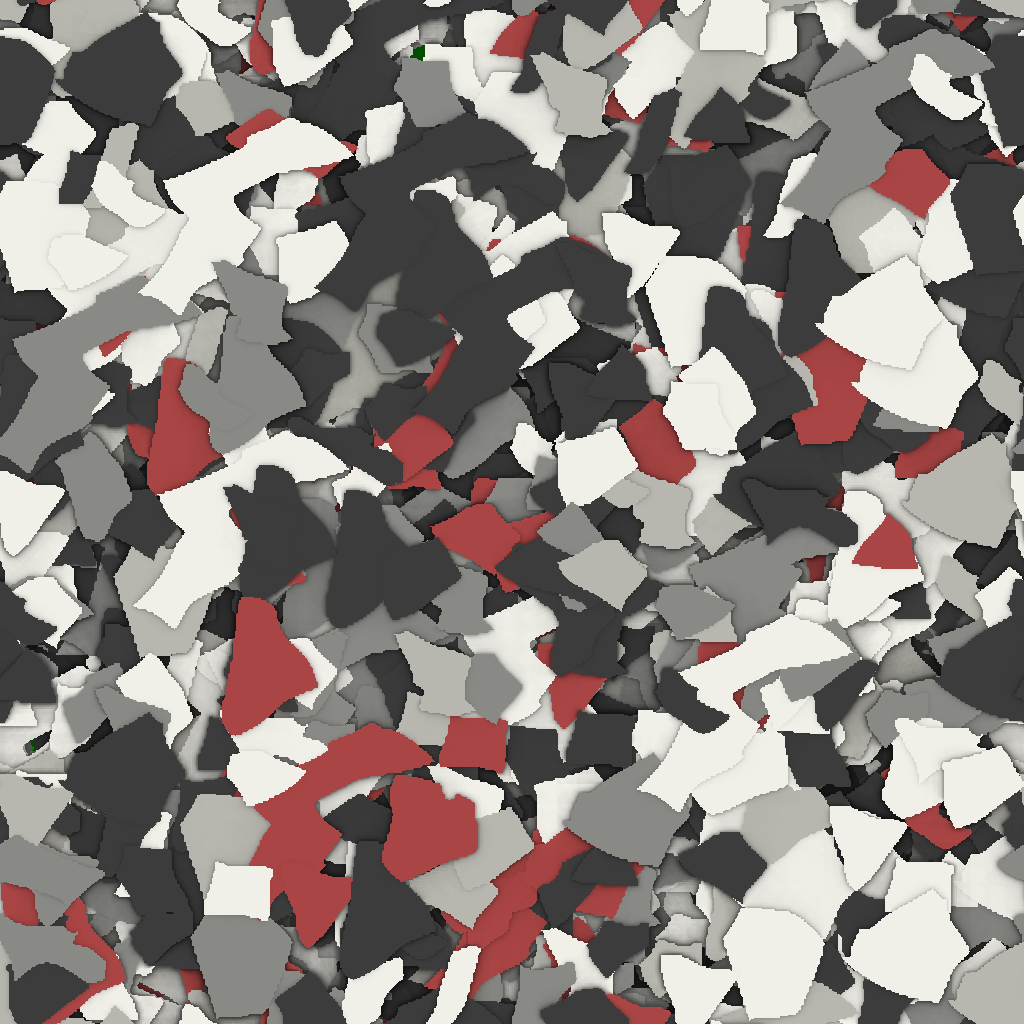
If you are planning an install, start with the flake color and let that guide your topcoat order. Browse blends in the flake catalog, calculate your square footage, and order topcoat to match. A standard 400 sq ft garage needs about 1.5 gallons of polyaspartic for decorative broadcast.